BODY FLUIDS
1. MILK
Milk is a complete biological nutrition fluid designed for neonatal survival.
Composition of Human Milk
Water: ~87%
Proteins: ~1–1.5%
Fat: ~3–5%
Lactose: ~7%
Minerals: ~0.2%
Major Components
1. Carbohydrate
2. Proteins
-
Casein
-
Lactalbumin
-
Lactoglobulin
-
Immunoglobulins (IgA)
Human milk has:
More whey protein
Less casein compared to cow’s milk
3. Fat
-
Triglycerides
-
Essential fatty acids
-
DHA (brain development)
4. Minerals
Protective Factors


4
Clinical Significance
-
Easily digestible
-
Anti-infective
-
Promotes gut microbiota
-
Lower allergy risk
2. COLOSTRUM
Colostrum is the first milk produced after delivery (first 3–5 days).
Thick, yellowish fluid.
Composition Differences
Higher:
Lower:


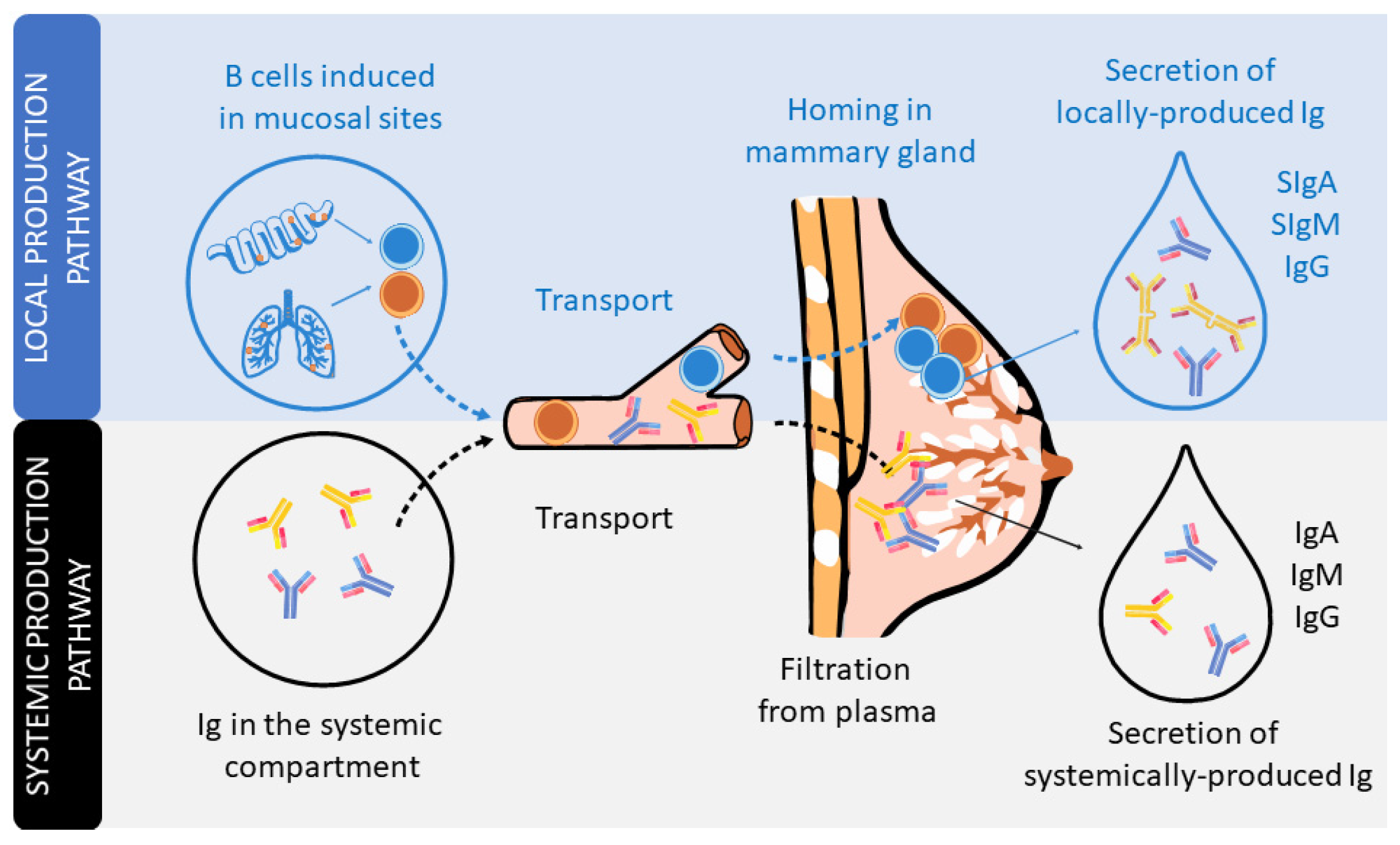
4
Functions
3. CEREBROSPINAL FLUID (CSF)
Clear, colorless fluid around brain and spinal cord.
Formation
Produced by choroid plexus.
Rate:
≈ 500 mL/day
Total volume:
≈ 150 mL
Composition Compared to Plasma
Lower:
Higher:


4
Normal Values
Protein: 15–45 mg/dL
Glucose: 45–80 mg/dL
Cells: 0–5 lymphocytes/mm³
Clinical Importance
Bacterial meningitis
-
↑ Protein
-
↓ Glucose
-
Neutrophils
Viral meningitis
-
Normal glucose
-
Mild protein rise
-
Lymphocytes
4. AMNIOTIC FLUID
Fluid surrounding fetus in amniotic sac.
Sources
-
Fetal urine
-
Fetal lung secretion
-
Maternal plasma
Functions
-
Protects fetus
-
Maintains temperature
-
Allows movement
-
Prevents adhesion


4
Clinical Importance
Oligohydramnios → renal agenesis
Polyhydramnios → GI obstruction
Amniocentesis:
5. AQUEOUS HUMOR
Clear fluid in anterior and posterior chambers of eye.
Formation
Produced by ciliary body.
Functions

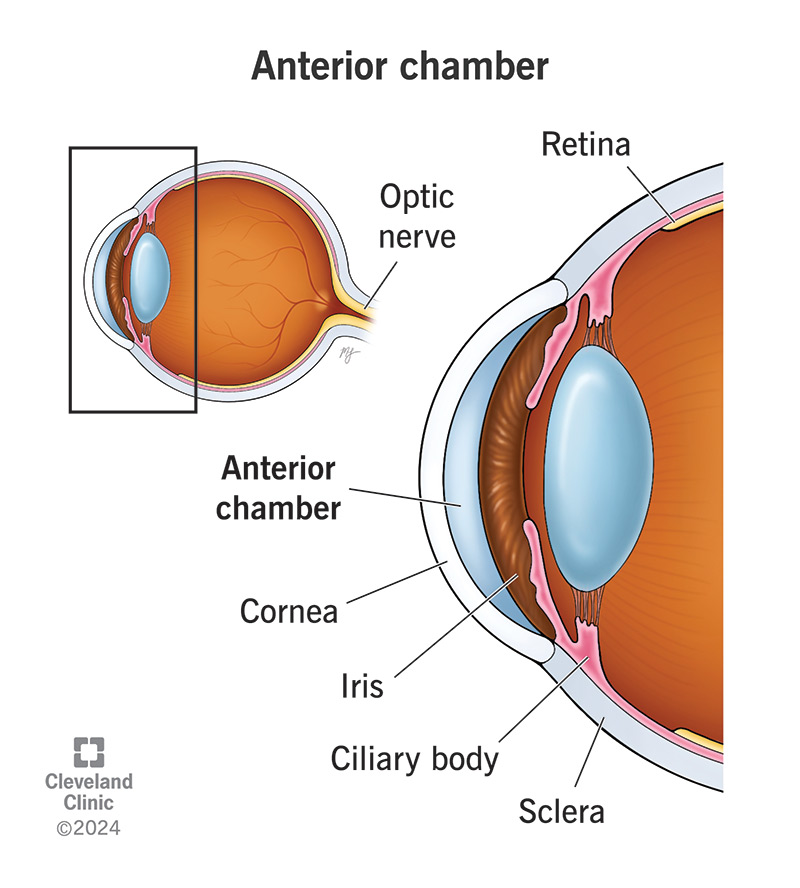

4
Composition
Similar to plasma but:
-
Low protein
-
Low glucose
-
Low cells
Clinical Relevance
Glaucoma:
↑ Intraocular pressure
Due to impaired drainage (trabecular meshwork).
HIGH-YIELD VIVA POINTS
-
Colostrum rich in IgA
-
CSF glucose ≈ 2/3 plasma
-
Normal CSF protein low
-
Amniotic fluid source: fetal urine
-
Aqueous humor produced by ciliary body
-
Glaucoma due to impaired aqueous drainage
CEREBROSPINAL FLUID (CSF)
Clear, colorless fluid surrounding brain and spinal cord.
Formation
Produced by choroid plexus in ventricles.
Rate of formation: ≈ 500 mL/day
Total volume in adults: ≈ 150 mL
Turnover: ~3–4 times/day

4
Circulation Pathway
Lateral ventricles → Third ventricle → Aqueduct of Sylvius → Fourth ventricle → Subarachnoid space → Absorbed via arachnoid villi into venous sinuses.
Functions
-
Cushions brain (shock absorber)
-
Maintains constant intracranial pressure
-
Nutrient supply & waste removal
-
Maintains ionic balance for neuronal function
Composition (Compared to Plasma)
| Parameter |
CSF |
Plasma |
| Protein |
Low (15–45 mg/dL) |
Higher |
| Glucose |
45–80 mg/dL (~2/3 plasma) |
Higher |
| Chloride |
Slightly higher |
Slightly lower |
| Cells |
0–5 lymphocytes/mm³ |
Many |
Low protein due to blood-brain barrier.
Clinical Applications
1. Bacterial Meningitis
-
↑ Protein
-
↓ Glucose
-
Neutrophils
-
Turbid appearance
2. Viral Meningitis
-
Mild ↑ Protein
-
Normal glucose
-
Lymphocytes
3. Subarachnoid Hemorrhage
4. Guillain–Barré Syndrome
AMNIOTIC FLUID
Fluid surrounding fetus within amniotic sac.
Volume:
-
~50 mL at 12 weeks
-
~800–1000 mL at term


4
Sources
Functions
Abnormalities
Oligohydramnios
Causes:
-
Renal agenesis
-
Placental insufficiency
-
Post-term pregnancy
Risk:
Pulmonary hypoplasia
Polyhydramnios
Causes:
ASSESSMENT OF FETAL MATURITY
Most important clinical test:
Assessment of fetal lung maturity.
1. Lecithin–Sphingomyelin Ratio (L/S Ratio)
Lecithin increases with lung maturity.
Sphingomyelin remains constant.
L/S ratio:
-
<1.5 → Immature lungs
-
≥2 → Mature lungs
Very high-yield exam point.
2. Phosphatidylglycerol
Appears late in pregnancy.
Presence indicates lung maturity.
3. Foam Stability Test (Shake Test)
Amniotic fluid + ethanol → shake.
Persistent foam ring = adequate surfactant.
4. Lamellar Body Count
Lamellar bodies contain surfactant.
High count = mature lungs.
5. Bilirubin Measurement
Used in hemolytic disease of newborn.
Measured via spectrophotometry (ΔOD450).
Clinical Relevance
Immature lungs → Respiratory Distress Syndrome (RDS).
Due to surfactant deficiency.
Surfactant reduces alveolar surface tension.
Main component:
Dipalmityl phosphatidylcholine (DPPC).
High-Yield Viva Points
-
CSF glucose = 2/3 plasma
-
CSF protein low due to blood-brain barrier
-
Bacterial meningitis → ↓ glucose, ↑ protein
-
Amniotic fluid major source late pregnancy → fetal urine
-
L/S ratio ≥2 indicates lung maturity
-
Surfactant deficiency → neonatal RDS
CSF protects the brain.
Amniotic fluid protects the fetus.
Surfactant determines the first breath.
BODY FLUIDS – COMPLETE FAQ SET
MILK & COLOSTRUM
Q1. What is the major carbohydrate in human milk?
Lactose.
Q2. What is the main protein fraction in human milk?
Whey proteins (lactalbumin predominates over casein).
Q3. Why is human milk easily digestible?
Lower casein content and higher whey proteins.
Q4. What immunoglobulin is abundant in breast milk?
IgA.
Q5. What is the function of lactoferrin?
Binds iron and inhibits bacterial growth.
Q6. What is colostrum?
First milk secreted during initial 3–5 days after delivery.
Q7. How does colostrum differ from mature milk?
Higher protein and IgA; lower fat and lactose.
Q8. Why is colostrum important for neonate?
Provides passive immunity.
Q9. What is the laxative effect of colostrum useful for?
Expulsion of meconium and prevention of neonatal jaundice.
CEREBROSPINAL FLUID (CSF)
Q10. Where is CSF produced?
Choroid plexus.
Q11. Daily CSF production rate?
About 500 mL/day.
Q12. Total CSF volume in adults?
Approximately 150 mL.
Q13. What is normal CSF protein level?
15–45 mg/dL.
Q14. What is normal CSF glucose?
45–80 mg/dL (~2/3 plasma glucose).
Q15. Why is CSF protein low?
Blood-brain barrier restricts protein passage.
Q16. What is normal CSF cell count?
0–5 lymphocytes/mm³.
Q17. What happens to CSF glucose in bacterial meningitis?
Decreases.
Q18. What happens to CSF protein in meningitis?
Increases.
Q19. What is albuminocytologic dissociation?
High CSF protein with normal cell count (seen in Guillain–Barré syndrome).
Q20. What is xanthochromia?
Yellow discoloration of CSF due to hemoglobin breakdown (subarachnoid hemorrhage).
AMNIOTIC FLUID
Q21. What is the main source of amniotic fluid in late pregnancy?
Fetal urine.
Q22. What is normal amniotic fluid volume at term?
800–1000 mL.
Q23. Functions of amniotic fluid?
Protection, temperature regulation, movement, lung development.
Q24. What is oligohydramnios?
Decreased amniotic fluid.
Q25. Major cause of oligohydramnios?
Renal agenesis.
Q26. What is polyhydramnios?
Increased amniotic fluid.
Q27. Causes of polyhydramnios?
GI obstruction, maternal diabetes, neural tube defects.
ASSESSMENT OF FETAL MATURITY
Q28. Most important indicator of fetal lung maturity?
Lecithin–sphingomyelin (L/S) ratio.
Q29. What L/S ratio indicates maturity?
≥ 2.
Q30. Why does lecithin increase in late pregnancy?
Increased surfactant production.
Q31. What is the main component of surfactant?
Dipalmityl phosphatidylcholine (DPPC).
Q32. What disease results from surfactant deficiency?
Neonatal respiratory distress syndrome.
Q33. What is phosphatidylglycerol significance?
Presence indicates lung maturity.
Q34. What is foam stability (shake) test?
Test for surfactant presence using ethanol.
Q35. What is lamellar body count?
Measurement of surfactant-containing particles in amniotic fluid.
Q36. What is ΔOD450 used for?
Assessment of fetal hemolysis via bilirubin measurement.
AQUEOUS HUMOR
Q37. Where is aqueous humor produced?
Ciliary body.
Q38. Main function of aqueous humor?
Maintains intraocular pressure.
Q39. Why is aqueous humor protein low?
Blood-aqueous barrier restricts protein entry.
Q40. What condition results from impaired drainage?
Glaucoma.
Q41. Through which structure does aqueous humor drain?
Trabecular meshwork into canal of Schlemm.
INTEGRATED QUESTIONS
Q42. Which body fluid has lowest protein concentration?
CSF (among major fluids discussed).
Q43. Which fluid contains high IgA?
Colostrum.
Q44. Which fluid is analyzed for fetal lung maturity?
Amniotic fluid.
Q45. Which fluid maintains brain buoyancy?
CSF.
Q46. Which fluid maintains intraocular pressure?
Aqueous humor.
Q47. Why is CSF glucose measured in meningitis?
Bacteria consume glucose, lowering its level.
Q48. Why is human milk preferred over cow milk?
Better digestibility and immune protection.
Q49. What prevents protein entry into CSF?
Blood-brain barrier.
Q50. What biochemical factor allows neonate’s first breath?
Surfactant production.
Ultra-Short Rapid Recall
Body fluids are chemically specialized environments.
Each one is tuned to its purpose — brain protection, fetal development, neonatal immunity, or optical clarity.
BODY FLUIDS – MCQs
1. Total CSF volume in adults is approximately:
A. 50 mL
B. 100 mL
C. 150 mL
D. 500 mL
2. Daily CSF production is about:
A. 100 mL
B. 250 mL
C. 500 mL
D. 1000 mL
3. CSF is mainly produced by:
A. Pia mater
B. Arachnoid villi
C. Choroid plexus
D. Hypothalamus
4. CSF glucose level is approximately:
A. Equal to plasma
B. Half plasma
C. Two-thirds plasma
D. One-third plasma
5. Normal CSF protein:
A. 1–5 mg/dL
B. 15–45 mg/dL
C. 60–100 mg/dL
D. 150 mg/dL
6. CSF protein is low due to:
A. High metabolism
B. Dilution
C. Blood-brain barrier
D. Low synthesis
7. Decreased CSF glucose is seen in:
A. Viral meningitis
B. Bacterial meningitis
C. Multiple sclerosis
D. Guillain–Barré syndrome
8. Albuminocytologic dissociation is seen in:
A. Bacterial meningitis
B. Viral meningitis
C. Guillain–Barré syndrome
D. Tuberculosis
9. Xanthochromia indicates:
A. Viral infection
B. Subarachnoid hemorrhage
C. Hypoglycemia
D. Tumor
10. Major source of amniotic fluid in late pregnancy:
A. Maternal sweat
B. Fetal urine
C. Placenta
D. Liver
11. Normal amniotic fluid volume at term:
A. 200 mL
B. 400 mL
C. 800–1000 mL
D. 2000 mL
12. Oligohydramnios is commonly due to:
A. Esophageal atresia
B. Renal agenesis
C. Maternal diabetes
D. Neural tube defect
13. Polyhydramnios may occur in:
A. Renal agenesis
B. GI obstruction
C. Dehydration
D. Hypothyroidism
14. The most reliable indicator of fetal lung maturity:
A. Bilirubin level
B. Protein content
C. L/S ratio
D. Glucose
15. L/S ratio indicating lung maturity:
A. 1
B. 1.5
C. 2 or more
D. 3
16. Major component of pulmonary surfactant:
A. Cholesterol
B. Phosphatidylcholine
C. Triglyceride
D. Glycogen
17. Respiratory distress syndrome occurs due to deficiency of:
A. Albumin
B. Lecithin
C. Cholesterol
D. Hemoglobin
18. Foam stability test assesses:
A. Bilirubin
B. Surfactant
C. Glucose
D. Protein
19. Presence of phosphatidylglycerol indicates:
A. Infection
B. Hemolysis
C. Lung maturity
D. Placental failure
20. ΔOD450 measurement is used to detect:
A. Glucose
B. Protein
C. Bilirubin
D. Lecithin
21. Major carbohydrate in human milk:
A. Sucrose
B. Maltose
C. Lactose
D. Fructose
22. Immunoglobulin abundant in colostrum:
A. IgG
B. IgM
C. IgA
D. IgE
23. Colostrum differs from mature milk by:
A. Lower protein
B. Higher fat
C. Higher immunoglobulins
D. Lower vitamins
24. Whey proteins are more abundant in:
A. Cow milk
B. Human milk
C. Plasma
D. CSF
25. Lactoferrin function:
A. Digest lactose
B. Bind iron
C. Bind glucose
D. Bind sodium
26. Aqueous humor is produced by:
A. Retina
B. Lens
C. Ciliary body
D. Iris
27. Aqueous humor maintains:
A. Brain pressure
B. Intraocular pressure
C. Plasma osmolality
D. Blood pressure
28. Glaucoma is due to:
A. Increased CSF
B. Decreased protein
C. Impaired aqueous drainage
D. Retinal damage
29. Aqueous humor drains via:
A. Optic nerve
B. Canal of Schlemm
C. Retina
D. Lens
30. CSF chloride is:
A. Lower than plasma
B. Equal to plasma
C. Slightly higher than plasma
D. Absent
31. Main function of CSF:
A. Nutrient storage
B. Oxygen transport
C. Shock absorption
D. Fat digestion
32. CSF cell count normally:
A. 50–100
B. 10–20
C. 0–5
D. 100–200
33. Human milk fat provides:
A. Antibody
B. Immunity
C. Energy
D. Sodium
34. In bacterial meningitis CSF is:
A. Clear
B. Turbid
C. Colorless
D. Yellow
35. In viral meningitis CSF glucose is:
A. Very low
B. Normal
C. Absent
D. High
36. Amniocentesis is used for:
A. CSF removal
B. Lung maturity assessment
C. Eye pressure
D. Milk analysis
37. Main function of amniotic fluid:
A. Digestion
B. Brain nutrition
C. Protection of fetus
D. Immunity
38. Blood-brain barrier mainly restricts:
A. Sodium
B. Chloride
C. Protein
D. Water
39. Surfactant reduces:
A. Osmotic pressure
B. Surface tension
C. Blood pressure
D. Sodium
40. Neonatal jaundice prevention by colostrum is due to:
A. High fat
B. Laxative effect
C. Sodium
D. Protein
ANSWER KEY
-
C
-
C
-
C
-
C
-
B
-
C
-
B
-
C
-
B
-
B
-
C
-
B
-
B
-
C
-
C
-
B
-
B
-
B
-
C
-
C
-
C
-
C
-
C
-
B
-
B
-
C
-
B
-
C
-
B
-
C
-
C
-
C
-
C
-
B
-
B
-
B
-
C
-
C
-
B
-
B
These fluids are small-volume, high-importance systems.
Miss one biochemical parameter, and diagnosis shifts entirely.
BODY FLUIDS – VIVA VOCE
(CSF, Amniotic Fluid, Fetal Maturity, Milk, Colostrum, Aqueous Humor)
CEREBROSPINAL FLUID (CSF)
Q1. Where is CSF produced?
Choroid plexus of ventricles.
Q2. Daily CSF production?
About 500 mL per day.
Q3. Total CSF volume in adults?
Approximately 150 mL.
Q4. Normal CSF protein level?
15–45 mg/dL.
Q5. Why is CSF protein low?
Due to blood-brain barrier restriction.
Q6. CSF glucose level compared to plasma?
About two-thirds of plasma glucose.
Q7. Normal CSF cell count?
0–5 lymphocytes/mm³.
Q8. What happens to CSF glucose in bacterial meningitis?
It decreases.
Q9. What happens to CSF protein in meningitis?
It increases.
Q10. What is albuminocytologic dissociation?
High protein with normal cell count (seen in Guillain–Barré syndrome).
Q11. What is xanthochromia?
Yellow discoloration of CSF due to hemoglobin breakdown.
Q12. Why is chloride slightly higher in CSF?
Due to active transport and ionic regulation across blood-brain barrier.
AMNIOTIC FLUID
Q13. Main source of amniotic fluid in late pregnancy?
Fetal urine.
Q14. Normal volume at term?
800–1000 mL.
Q15. Main functions of amniotic fluid?
Protection, movement, lung development, temperature control.
Q16. What is oligohydramnios?
Decreased amniotic fluid.
Q17. Common cause of oligohydramnios?
Renal agenesis.
Q18. What is polyhydramnios?
Excess amniotic fluid.
Q19. Cause of polyhydramnios in fetal GI obstruction?
Failure of fetus to swallow amniotic fluid.
Q20. What is amniocentesis?
Sampling of amniotic fluid for diagnostic purposes.
ASSESSMENT OF FETAL MATURITY
Q21. Most important test for lung maturity?
Lecithin–sphingomyelin (L/S) ratio.
Q22. What L/S ratio indicates maturity?
Two or more.
Q23. Why does lecithin increase near term?
Due to increased surfactant synthesis.
Q24. Main component of pulmonary surfactant?
Dipalmityl phosphatidylcholine.
Q25. Disease due to surfactant deficiency?
Neonatal respiratory distress syndrome.
Q26. What does presence of phosphatidylglycerol indicate?
Lung maturity.
Q27. What is the foam stability (shake) test?
A test for surfactant presence using ethanol.
Q28. What does ΔOD450 measure?
Bilirubin in amniotic fluid (hemolytic disease).
MILK & COLOSTRUM
Q29. Major carbohydrate in human milk?
Lactose.
Q30. Major immunoglobulin in colostrum?
IgA.
Q31. Why is colostrum yellow?
High protein and beta-carotene content.
Q32. How does colostrum differ from mature milk?
Higher protein and antibodies, lower fat and lactose.
Q33. What is the function of lactoferrin?
Binds iron and inhibits bacterial growth.
Q34. Why is human milk preferred over cow’s milk?
Better digestibility and immune protection.
Q35. What type of protein predominates in human milk?
Whey proteins.
AQUEOUS HUMOR
Q36. Where is aqueous humor produced?
Ciliary body.
Q37. Function of aqueous humor?
Maintains intraocular pressure and nourishes cornea and lens.
Q38. Why is protein low in aqueous humor?
Due to blood-aqueous barrier.
Q39. Through which structure does aqueous humor drain?
Trabecular meshwork into canal of Schlemm.
Q40. What happens if drainage is impaired?
Glaucoma.
INTEGRATED EXAMINER QUESTIONS
Q41. Which fluid has lowest protein concentration?
CSF.
Q42. Which fluid protects brain from mechanical injury?
CSF.
Q43. Which fluid helps fetal lung development?
Amniotic fluid.
Q44. Which test predicts neonatal respiratory function?
L/S ratio.
Q45. Why does bacterial meningitis lower CSF glucose?
Bacteria consume glucose.
Q46. Why is colostrum important immediately after birth?
Provides passive immunity.
Q47. What prevents large proteins from entering CSF?
Blood-brain barrier.
Q48. Why does surfactant prevent alveolar collapse?
Reduces surface tension.
Q49. Which fluid maintains optical clarity of anterior chamber?
Aqueous humor.
Q50. Which fluid change suggests hemolytic disease of fetus?
Raised bilirubin in amniotic fluid.
 Continue with Google