CALCIUM
Total body calcium ≈ 1–1.2 kg.
Distribution:
Serum calcium (normal):
8.5–10.5 mg/dL
Forms in plasma:
-
Ionized (active) ~50%
-
Protein-bound ~40%
-
Complexed ~10%
Ionized calcium is physiologically active.


4
FUNCTIONS OF CALCIUM
-
Muscle contraction
-
Nerve transmission
-
Blood clotting
-
Enzyme activation
-
Hormone secretion
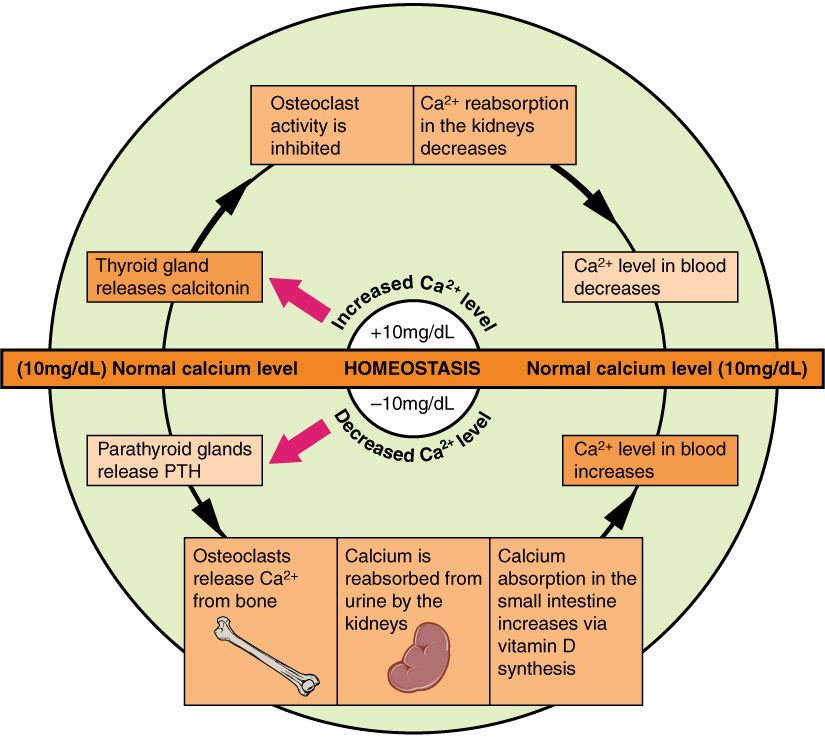
CALCIUM HOMEOSTASIS
Maintained by:
-
Parathyroid hormone (PTH)
-
Vitamin D (Calcitriol)
-
Calcitonin
Three organs involved:
PARATHYROID HORMONE (PTH)
Secreted by:
Parathyroid glands.
Stimulus:
Low serum calcium.
Actions of PTH
1. Bone
Stimulates osteoclast activity indirectly → releases calcium.
2. Kidney
-
Increases calcium reabsorption
-
Decreases phosphate reabsorption
-
Stimulates 1α-hydroxylase → ↑ Calcitriol
3. Intestine
Indirectly increases calcium absorption via calcitriol.
Net effect:
Raises serum calcium.


4
CALCITONIN
Secreted by:
Parafollicular (C) cells of thyroid.
Stimulus:
High serum calcium.
Action:
Inhibits osteoclast activity.
Net effect:
Lowers serum calcium.
Clinical importance limited in adults.
HYPERCALCEMIA
Serum calcium > 10.5 mg/dL.
Common causes:
-
Hyperparathyroidism
-
Malignancy
-
Vitamin D excess
-
Immobilization
Symptoms of Hypercalcemia
Mnemonic:
“Bones, stones, groans, psychiatric overtones”
-
Bone pain
-
Kidney stones
-
Abdominal pain
-
Confusion
ECG:
Short QT interval.
HYPOCALCEMIA
Serum calcium < 8.5 mg/dL.
Causes:
-
Hypoparathyroidism
-
Vitamin D deficiency
-
Chronic kidney disease
Symptoms
-
Tetany
-
Muscle cramps
-
Seizures
-
Positive Chvostek sign
-
Positive Trousseau sign
ECG:
Prolonged QT interval.
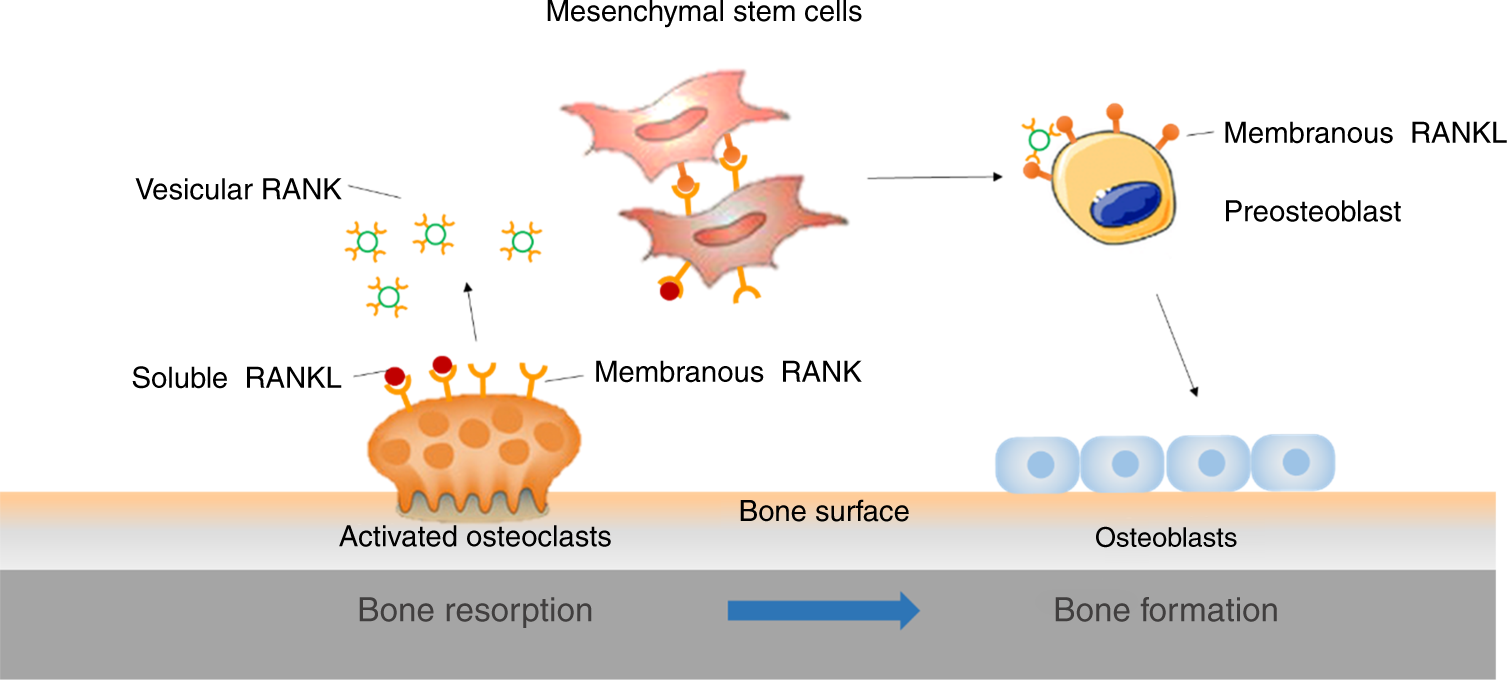
BONE METABOLISM
Bone is dynamic.
Two main cell types:
Bone remodeling is continuous.
Bone Matrix Components
Hormonal Control
PTH:
Promotes bone resorption.
Calcitriol:
Promotes mineralization (but supports resorption if calcium low).
Calcitonin:
Inhibits resorption.
Bone Disorders
Osteoporosis
Low bone mass.
Osteomalacia
Defective mineralization.
Hyperparathyroidism
Bone resorption.


4
HIGH-YIELD INTEGRATION
Low calcium → ↑ PTH → ↑ bone resorption + ↑ calcitriol
High calcium → ↑ calcitonin
Ionized calcium is active.
Albumin affects total calcium but not ionized calcium.
Corrected calcium formula:
Corrected Ca = Measured Ca + 0.8 × (4 − serum albumin)
Examiner favorite.
RAPID MEMORY MAP
Calcium metabolism is a balancing act between bone and blood.
Bone is storage. Blood is function.
Markers of Bone Formation
-
Serum Alkaline Phosphatase (ALP)
-
Osteocalcin
-
Procollagen type 1 N-terminal peptide (P1NP)
Raised in:
-
Rickets
-
Osteomalacia
-
Hyperparathyroidism
-
Paget disease
Markers of Bone Resorption
-
Urinary hydroxyproline
-
C-terminal telopeptide (CTX)
-
N-terminal telopeptide (NTX)
High in:
-
Osteoporosis
-
Hyperparathyroidism


4
PHOSPHORUS
Normal serum phosphate:
2.5–4.5 mg/dL
Major component of:
-
Hydroxyapatite
-
ATP
-
Nucleic acids
-
Phospholipids
Regulation
Controlled by:
Hypophosphatemia
Causes:
-
Hyperparathyroidism
-
Vitamin D deficiency
-
Refeeding syndrome
Hyperphosphatemia
Causes:
-
Renal failure
-
Hypoparathyroidism
MAGNESIUM
Normal:
1.7–2.2 mg/dL
Functions:
Hypomagnesemia
Causes:
-
Alcoholism
-
Diarrhea
-
Diuretics
Effects:
SULPHUR
Derived from sulfur-containing amino acids:
Functions:
Deficiency rare.
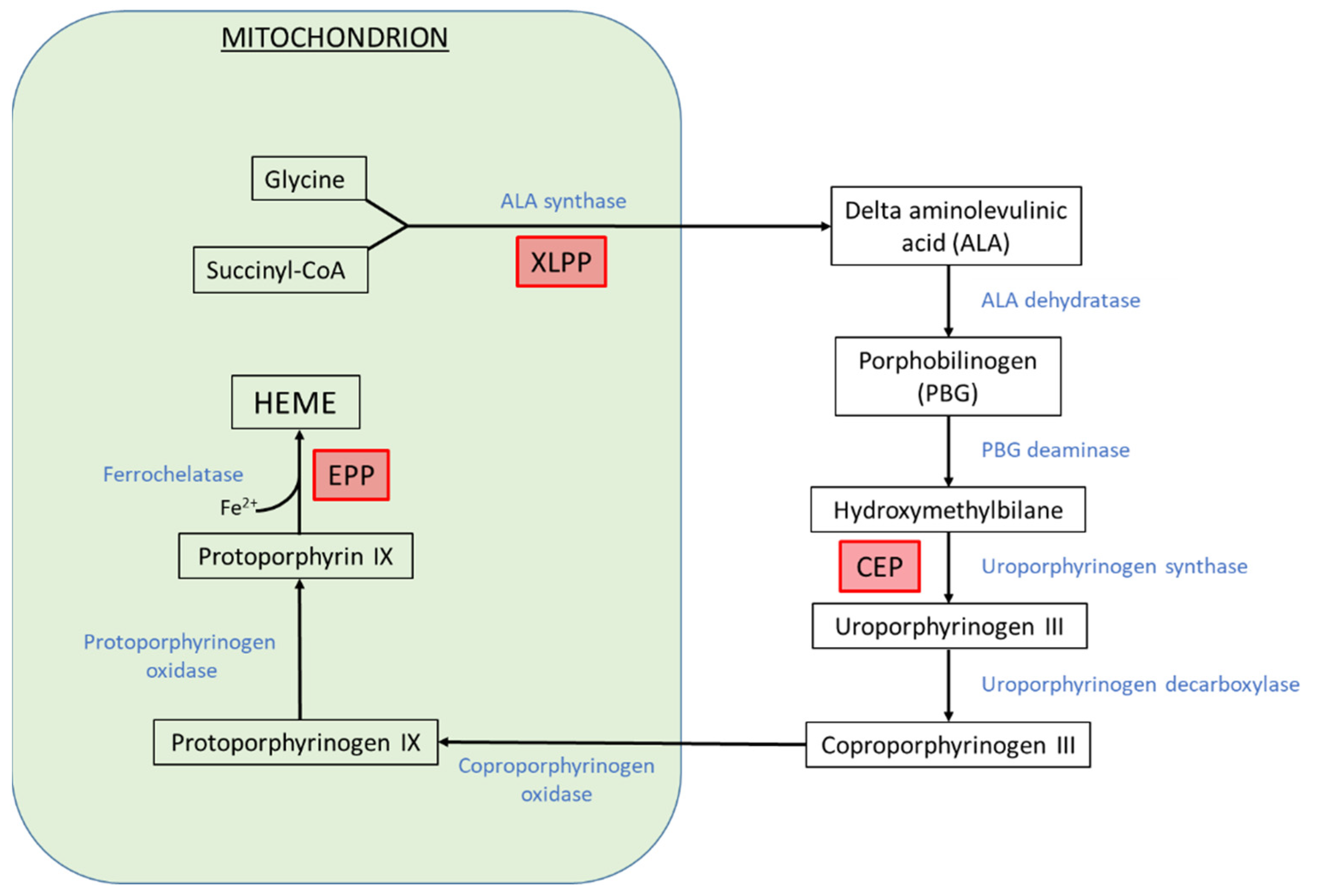
IRON
Total body iron:
3–4 g.
Distribution:
-
Hemoglobin (major share)
-
Myoglobin
-
Ferritin (storage)
-
Transferrin (transport)


4
IRON ABSORPTION
Site:
Duodenum.
Two forms:
Vitamin C enhances absorption.
Regulatory hormone:
Hepcidin (from liver)
Hepcidin blocks iron release from enterocytes.
IRON DEFICIENCY
Causes:
-
Chronic blood loss
-
Poor diet
-
Pregnancy
Lab findings:
-
Low hemoglobin
-
Low serum ferritin
-
High TIBC
-
Low serum iron
Peripheral smear:
Microcytic hypochromic anemia.
HEMOCHROMATOSIS
Iron overload disorder.
Types:
-
Primary (genetic)
-
Secondary (transfusion-related)
Features
-
Liver cirrhosis
-
Diabetes
-
Bronze skin pigmentation
-
Cardiomyopathy
Lab:
-
High ferritin
-
High serum iron
-
Low TIBC
HIGH-YIELD INTEGRATION
PTH:
↑ Calcium
↓ Phosphate
Magnesium:
Required for PTH release.
Iron deficiency:
Low ferritin first.
Hemochromatosis:
High ferritin + high transferrin saturation.
RAPID MEMORY MAP
-
ALP → Bone formation
-
CTX → Bone resorption
-
Phosphate partners calcium
-
Magnesium stabilizes nerves
-
Iron transported by transferrin
-
Ferritin reflects storage
-
Hepcidin blocks iron absorption
COPPER
Total body copper ≈ 100 mg.
Transported in plasma by ceruloplasmin.
Functions:
-
Iron metabolism
-
Collagen cross-linking
-
Melanin synthesis
-
Antioxidant defense
Important Copper-Dependent Enzymes


4
CERULOPLASMIN
Alpha-2 globulin.
Functions:
Decreased in:
Wilson disease.
Copper Disorders
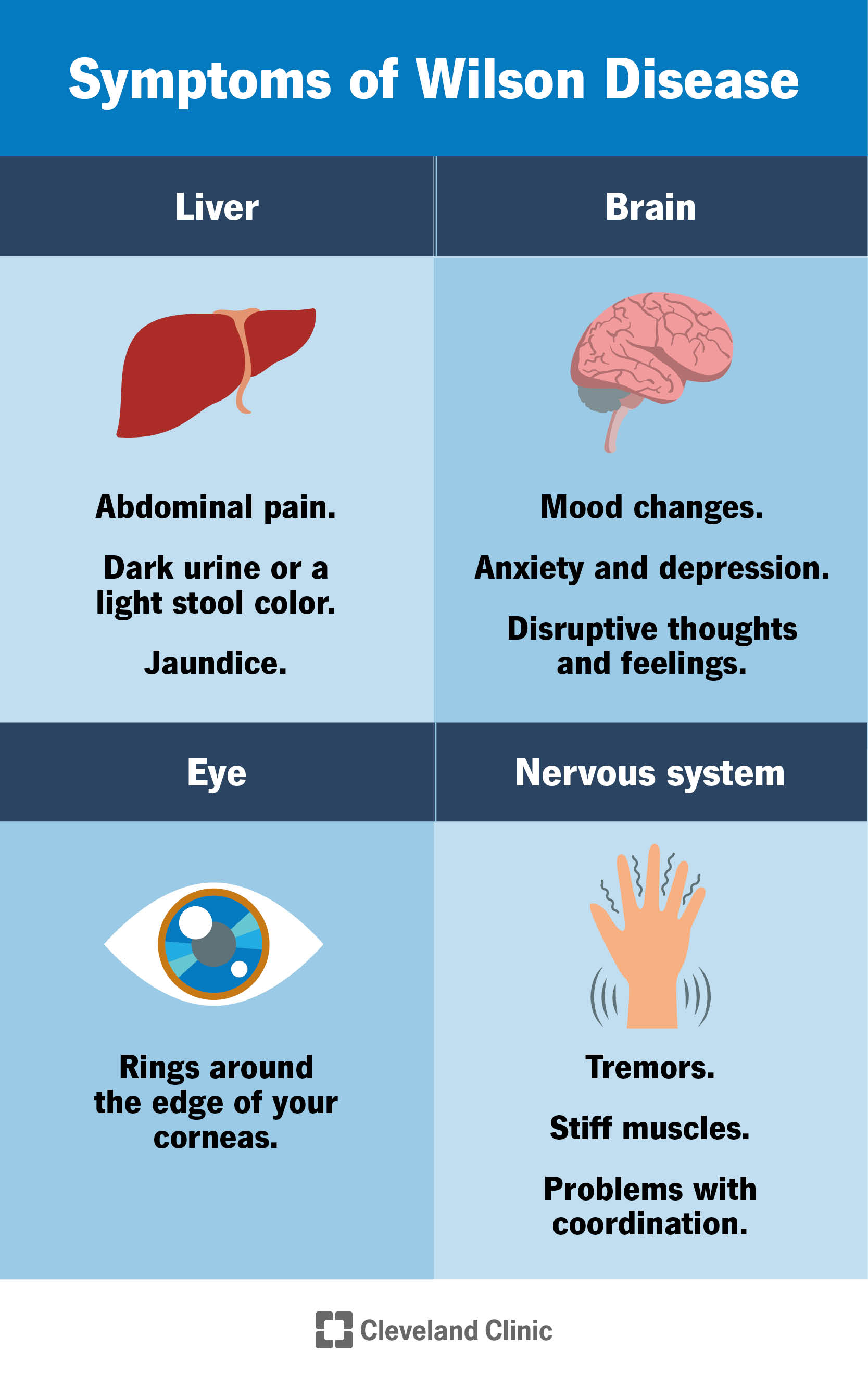
Wilson Disease
Copper accumulation in liver and brain.
Features:
-
Liver cirrhosis
-
Kayser-Fleischer rings
-
Neurological symptoms
Low ceruloplasmin.
Menkes Disease
Defective copper transport.
Features:
IODINE
Required for synthesis of:
Stored in thyroid gland.
Deficiency leads to:
-
Goiter
-
Hypothyroidism
-
Cretinism (in children)


4
ZINC
Functions:
-
DNA synthesis
-
Cell division
-
Wound healing
-
Immunity
-
Insulin storage
Enzyme component in:
-
Carbonic anhydrase
-
Alkaline phosphatase
Zinc Deficiency
FLUORIDE
Incorporated into:
Hydroxyapatite → Fluoroapatite.
Role:
-
Prevents dental caries
-
Strengthens enamel
Excess:
Dental fluorosis.
SELENIUM
Component of:
Glutathione peroxidase.
Function:
Deficiency:
Keshan disease (cardiomyopathy).
MANGANESE
Cofactor for:
-
Pyruvate carboxylase
-
Superoxide dismutase
Deficiency rare.
Excess:
Neurotoxicity.
MOLYBDENUM
Cofactor for:
-
Xanthine oxidase
-
Sulfite oxidase
Deficiency rare.
COBALT
Component of:
Vitamin B12.
Not independently required apart from B12.
NICKEL
Trace role in:
Enzyme systems (minor role in humans).
Deficiency rare.
CHROMIUM
Enhances insulin action.
Part of:
Glucose tolerance factor.
Deficiency:
Impaired glucose tolerance.
LITHIUM
Not essential nutrient.
Used pharmacologically in:
Bipolar disorder.
Toxicity:
Tremor, nephrotoxicity.
HIGH-YIELD SUMMARY
Copper → Iron metabolism
Ceruloplasmin → Ferrooxidase
Iodine → Thyroid hormones
Zinc → Growth & immunity
Fluoride → Teeth
Selenium → Antioxidant
Chromium → Insulin action
Cobalt → Vitamin B12
TRACE ELEMENTS – COMPLETE FAQ SET
COPPER
Q1. What is the normal role of copper in the body?
Iron metabolism, collagen cross-linking, antioxidant defense.
Q2. What plasma protein transports copper?
Ceruloplasmin.
Q3. What is the function of ceruloplasmin?
Oxidizes Fe²⁺ to Fe³⁺ for binding to transferrin.
Q4. Which disease is associated with low ceruloplasmin?
Wilson disease.
Q5. What are the main features of Wilson disease?
Liver cirrhosis, neurological symptoms, Kayser-Fleischer rings.
Q6. What is Menkes disease?
Defective copper transport leading to neurological deterioration and kinky hair.
IODINE
Q7. What is the main function of iodine?
Synthesis of thyroid hormones (T3, T4).
Q8. Where is iodine stored?
Thyroid gland.
Q9. What is goiter?
Enlargement of thyroid due to iodine deficiency.
Q10. What is cretinism?
Severe congenital hypothyroidism due to iodine deficiency.
ZINC
Q11. What are the major functions of zinc?
DNA synthesis, cell division, immunity, wound healing.
Q12. Name one zinc-containing enzyme.
Carbonic anhydrase.
Q13. What is acrodermatitis enteropathica?
Inherited zinc absorption defect.
Q14. Features of zinc deficiency?
Growth retardation, delayed wound healing, hypogonadism.
FLUORIDE
Q15. What is the role of fluoride in teeth?
Forms fluoroapatite and prevents dental caries.
Q16. What is dental fluorosis?
Excess fluoride causing mottled enamel.
SELENIUM
Q17. Selenium is a component of which enzyme?
Glutathione peroxidase.
Q18. What is the role of selenium?
Antioxidant and thyroid hormone metabolism.
Q19. What disease is associated with selenium deficiency?
Keshan disease (cardiomyopathy).
MANGANESE
Q20. Name one manganese-dependent enzyme.
Pyruvate carboxylase.
Q21. What happens in manganese excess?
Neurotoxicity.
MOLYBDENUM
Q22. Name one molybdenum-dependent enzyme.
Xanthine oxidase.
Q23. Is molybdenum deficiency common?
No, it is rare.
COBALT
Q24. What is the biological role of cobalt?
Component of Vitamin B12.
Q25. Does cobalt have an independent function apart from B12?
No.
NICKEL
Q26. Is nickel essential in humans?
Its role is minimal and not clearly defined.
CHROMIUM
Q27. What is the main function of chromium?
Enhances insulin action.
Q28. What happens in chromium deficiency?
Impaired glucose tolerance.
LITHIUM
Q29. Is lithium an essential nutrient?
No.
Q30. What is lithium used for clinically?
Treatment of bipolar disorder.
Q31. Name one toxicity feature of lithium.
Tremor.
INTEGRATED EXAMINER QUESTIONS
Q32. Which trace element deficiency causes neurological and hepatic manifestations?
Copper deficiency or Wilson disease (copper excess).
Q33. Which trace element is important for thyroid hormone synthesis?
Iodine.
Q34. Which trace element is important in antioxidant defense along with glutathione?
Selenium.
Q35. Which trace element improves insulin sensitivity?
Chromium.
Q36. Which trace element deficiency causes growth retardation?
Zinc deficiency.
Q37. Which mineral protects against dental caries?
Fluoride.
Q38. Which trace element abnormality is seen in Wilson disease?
Copper accumulation with low ceruloplasmin.
Q39. Which trace element forms part of Vitamin B12?
Cobalt.
Q40. Which trace element excess can cause neurotoxicity?
Manganese.
RAPID MEMORY MAP
Copper → Iron metabolism
Ceruloplasmin → Ferrooxidase
Iodine → Thyroid hormone
Zinc → Growth & immunity
Fluoride → Teeth
Selenium → Antioxidant
Chromium → Insulin action
Cobalt → B12
TRACE ELEMENTS – MCQs
1. Copper is transported in plasma mainly by:
A. Transferrin
B. Albumin
C. Ceruloplasmin
D. Ferritin
2. Ceruloplasmin functions as:
A. Iron storage protein
B. Ferrooxidase
C. Hemoglobin
D. Hormone
3. Low ceruloplasmin is seen in:
A. Hemochromatosis
B. Wilson disease
C. Thalassemia
D. Pernicious anemia
4. Kayser-Fleischer rings are seen in:
A. Iron deficiency
B. Wilson disease
C. Zinc deficiency
D. Fluorosis
5. Menkes disease is due to:
A. Iron excess
B. Defective copper transport
C. Zinc deficiency
D. Selenium toxicity
6. Iodine is required for synthesis of:
A. Insulin
B. Thyroid hormones
C. Cortisol
D. Growth hormone
7. Goiter most commonly results from deficiency of:
A. Copper
B. Zinc
C. Iodine
D. Chromium
8. Congenital iodine deficiency causes:
A. Rickets
B. Cretinism
C. Pellagra
D. Scurvy
9. Zinc is a component of:
A. Hemoglobin
B. Carbonic anhydrase
C. Collagen
D. Albumin
10. Zinc deficiency leads to:
A. Hyperthyroidism
B. Growth retardation
C. Iron overload
D. Polycythemia
11. Acrodermatitis enteropathica is due to deficiency of:
A. Copper
B. Zinc
C. Selenium
D. Manganese
12. Fluoride strengthens teeth by forming:
A. Hydroxyapatite
B. Fluoroapatite
C. Ferritin
D. Hemoglobin
13. Excess fluoride causes:
A. Goiter
B. Dental fluorosis
C. Hemolysis
D. Cirrhosis
14. Selenium is a component of:
A. Catalase
B. Glutathione peroxidase
C. Superoxide dismutase
D. Transferrin
15. Selenium deficiency causes:
A. Keshan disease
B. Wilson disease
C. Beriberi
D. Rickets
16. Manganese is required for:
A. Pyruvate carboxylase
B. Hemoglobin
C. Thyroxine
D. Collagen
17. Molybdenum is a cofactor for:
A. Xanthine oxidase
B. Hexokinase
C. Lactate dehydrogenase
D. Pepsin
18. Cobalt is an essential component of:
A. Hemoglobin
B. Vitamin B12
C. Insulin
D. Collagen
19. Chromium primarily enhances:
A. Thyroid function
B. Insulin action
C. Collagen synthesis
D. Iron absorption
20. Chromium deficiency leads to:
A. Hypothyroidism
B. Impaired glucose tolerance
C. Anemia
D. Bleeding
21. Lithium is used clinically for:
A. Epilepsy
B. Bipolar disorder
C. Diabetes
D. Hypertension
22. Lithium toxicity commonly causes:
A. Hypoglycemia
B. Tremor
C. Goiter
D. Jaundice
23. Copper is required for:
A. DNA replication
B. Iron oxidation
C. Clotting
D. Thyroid hormone synthesis
24. Ceruloplasmin helps in:
A. Iron storage
B. Iron transport
C. Iron oxidation
D. Iron excretion
25. Wilson disease results in:
A. Copper deficiency
B. Copper accumulation
C. Iron overload
D. Zinc deficiency
26. Zinc plays an important role in:
A. Wound healing
B. Clotting
C. Myelin formation
D. Thyroid hormone synthesis
27. Selenium also plays a role in:
A. Thyroid hormone metabolism
B. Hemoglobin synthesis
C. Insulin secretion
D. Bone formation
28. Which trace element is essential for antioxidant defense?
A. Zinc
B. Selenium
C. Fluoride
D. Nickel
29. Which trace element abnormality causes neurotoxicity when in excess?
A. Zinc
B. Copper
C. Manganese
D. Fluoride
30. Which trace element deficiency causes impaired immunity?
A. Zinc
B. Chromium
C. Nickel
D. Lithium
31. Nickel in humans:
A. Has major metabolic role
B. Is part of hemoglobin
C. Has minimal defined role
D. Causes anemia
32. Iodine deficiency leads to increased:
A. T3
B. T4
C. TSH
D. Insulin
33. Copper deficiency may cause:
A. Microcytic anemia
B. Polycythemia
C. Hypercalcemia
D. Hypothyroidism
34. Which trace element is involved in collagen cross-linking?
A. Zinc
B. Copper
C. Selenium
D. Chromium
35. Fluoride deficiency predisposes to:
A. Dental caries
B. Rickets
C. Pellagra
D. Hemochromatosis
36. Keshan disease primarily affects:
A. Brain
B. Heart
C. Liver
D. Kidney
37. Chromium is part of:
A. Glucose tolerance factor
B. Hemoglobin
C. Collagen
D. Ceruloplasmin
38. Kayser-Fleischer rings are due to deposition of:
A. Iron
B. Copper
C. Zinc
D. Fluoride
39. Zinc is important for:
A. Thyroid hormone synthesis
B. DNA polymerase activity
C. Hemoglobin oxygen binding
D. Collagen hydroxylation
40. Copper-dependent enzyme involved in iron metabolism:
A. Ceruloplasmin
B. Ferritin
C. Transferrin
D. Catalase
41. Which trace element is essential for superoxide dismutase?
A. Zinc and copper
B. Iodine
C. Fluoride
D. Nickel
42. Manganese toxicity resembles:
A. Parkinsonism
B. Anemia
C. Rickets
D. Hypothyroidism
43. Iodine is organified in thyroid by:
A. Peroxidase
B. Transferrin
C. Catalase
D. Hexokinase
44. Zinc deficiency affects which system prominently?
A. Skeletal
B. Reproductive
C. Respiratory
D. Renal
45. Excess copper may cause:
A. Hypoglycemia
B. Liver damage
C. Hypothyroidism
D. Fluorosis
46. Selenium deficiency impairs:
A. Collagen synthesis
B. Antioxidant defense
C. Clotting
D. Iron transport
47. Which trace element deficiency may cause hypogonadism?
A. Zinc
B. Selenium
C. Fluoride
D. Nickel
48. Ceruloplasmin is synthesized in:
A. Thyroid
B. Liver
C. Kidney
D. Bone marrow
49. The most important trace element for thyroid hormone production:
A. Selenium
B. Iodine
C. Zinc
D. Copper
50. Cobalt deficiency manifests as deficiency of:
A. Iron
B. Vitamin B12
C. Zinc
D. Copper
ANSWER KEY
-
C
-
B
-
B
-
B
-
B
-
B
-
C
-
B
-
B
-
B
-
B
-
B
-
B
-
B
-
A
-
A
-
A
-
B
-
B
-
B
-
B
-
B
-
B
-
C
-
B
-
A
-
A
-
B
-
C
-
A
-
C
-
C
-
A
-
B
-
A
-
B
-
A
-
B
-
B
-
A
-
A
-
A
-
A
-
B
-
B
-
B
-
A
-
B
-
B
-
B
TRACE ELEMENTS – VIVA VOCE
COPPER & CERULOPLASMIN
Q1. What is the main function of copper in the body?
Iron metabolism, collagen cross-linking, antioxidant defense, melanin synthesis.
Q2. Which plasma protein transports copper?
Ceruloplasmin.
Q3. What is the function of ceruloplasmin?
Oxidizes Fe²⁺ to Fe³⁺ to allow binding with transferrin.
Q4. What happens to ceruloplasmin levels in Wilson disease?
They decrease.
Q5. What is the basic defect in Wilson disease?
Impaired copper excretion leading to copper accumulation.
Q6. What are Kayser-Fleischer rings?
Copper deposition in cornea.
Q7. What is Menkes disease?
Defective copper transport causing deficiency symptoms.
Q8. Which copper-dependent enzyme is involved in collagen cross-linking?
Lysyl oxidase.
IODINE
Q9. What is the biological role of iodine?
Synthesis of thyroid hormones T3 and T4.
Q10. Where is iodine stored?
Thyroid gland.
Q11. What hormone increases in iodine deficiency?
TSH.
Q12. What is goiter?
Enlargement of thyroid gland due to chronic TSH stimulation.
Q13. What is cretinism?
Severe congenital hypothyroidism due to iodine deficiency.
Q14. Which enzyme helps organification of iodine?
Thyroid peroxidase.
ZINC
Q15. Name one important zinc-containing enzyme.
Carbonic anhydrase.
Q16. What are the main functions of zinc?
DNA synthesis, growth, immunity, wound healing.
Q17. What are features of zinc deficiency?
Growth retardation, hypogonadism, delayed wound healing.
Q18. What is acrodermatitis enteropathica?
Inherited defect in zinc absorption.
Q19. Zinc deficiency affects which system prominently?
Reproductive and immune systems.
FLUORIDE
Q20. What is the role of fluoride in teeth?
Forms fluoroapatite, increases resistance to caries.
Q21. What is dental fluorosis?
Excess fluoride causing mottled enamel.
SELENIUM
Q22. Selenium is a component of which enzyme?
Glutathione peroxidase.
Q23. What is the role of glutathione peroxidase?
Reduces hydrogen peroxide and prevents oxidative damage.
Q24. What disease is associated with selenium deficiency?
Keshan disease.
Q25. Selenium also participates in which endocrine function?
Thyroid hormone metabolism (deiodinase enzymes).
MANGANESE
Q26. Name one manganese-dependent enzyme.
Pyruvate carboxylase.
Q27. What happens in manganese excess?
Neurotoxicity resembling Parkinsonism.
MOLYBDENUM
Q28. Name one molybdenum-dependent enzyme.
Xanthine oxidase.
Q29. Is molybdenum deficiency common?
No, it is rare.
COBALT
Q30. What is the biological role of cobalt?
Component of Vitamin B12.
Q31. Does cobalt have an independent metabolic function?
No, its role is via B12.
NICKEL
Q32. Is nickel essential in humans?
Its role is minimal and not clearly defined.
CHROMIUM
Q33. What is the main role of chromium?
Enhances insulin action.
Q34. Chromium is part of which factor?
Glucose tolerance factor.
Q35. What happens in chromium deficiency?
Impaired glucose tolerance.
LITHIUM
Q36. Is lithium an essential trace element?
No.
Q37. What is lithium used for clinically?
Treatment of bipolar disorder.
Q38. Name one sign of lithium toxicity.
Tremor.
Q39. Why is lithium monitoring important?
Narrow therapeutic index and nephrotoxicity risk.
INTEGRATED QUESTIONS (EXAMINER STYLE)
Q40. Which trace element links mineral metabolism with iron metabolism?
Copper (via ceruloplasmin).
Q41. Which trace element deficiency leads to hypothyroidism?
Iodine deficiency.
Q42. Which trace element is most important for wound healing?
Zinc.
Q43. Which trace element acts as antioxidant via enzyme system?
Selenium.
Q44. Which trace element is directly involved in insulin sensitivity?
Chromium.
Q45. Which trace element disorder causes liver cirrhosis and neurological signs?
Wilson disease (copper overload).
 Continue with Google