Thyroid Hormones
Thyroid Hormones (T₃ and T₄)


-
Thyroid hormones are iodinated derivatives of tyrosine.
-
Two major hormones:
-
Synthesized and stored in the thyroid follicles.
-
Bound to plasma proteins in circulation:
-
Free hormone is biologically active.
Synthesis of Thyroid Hormones


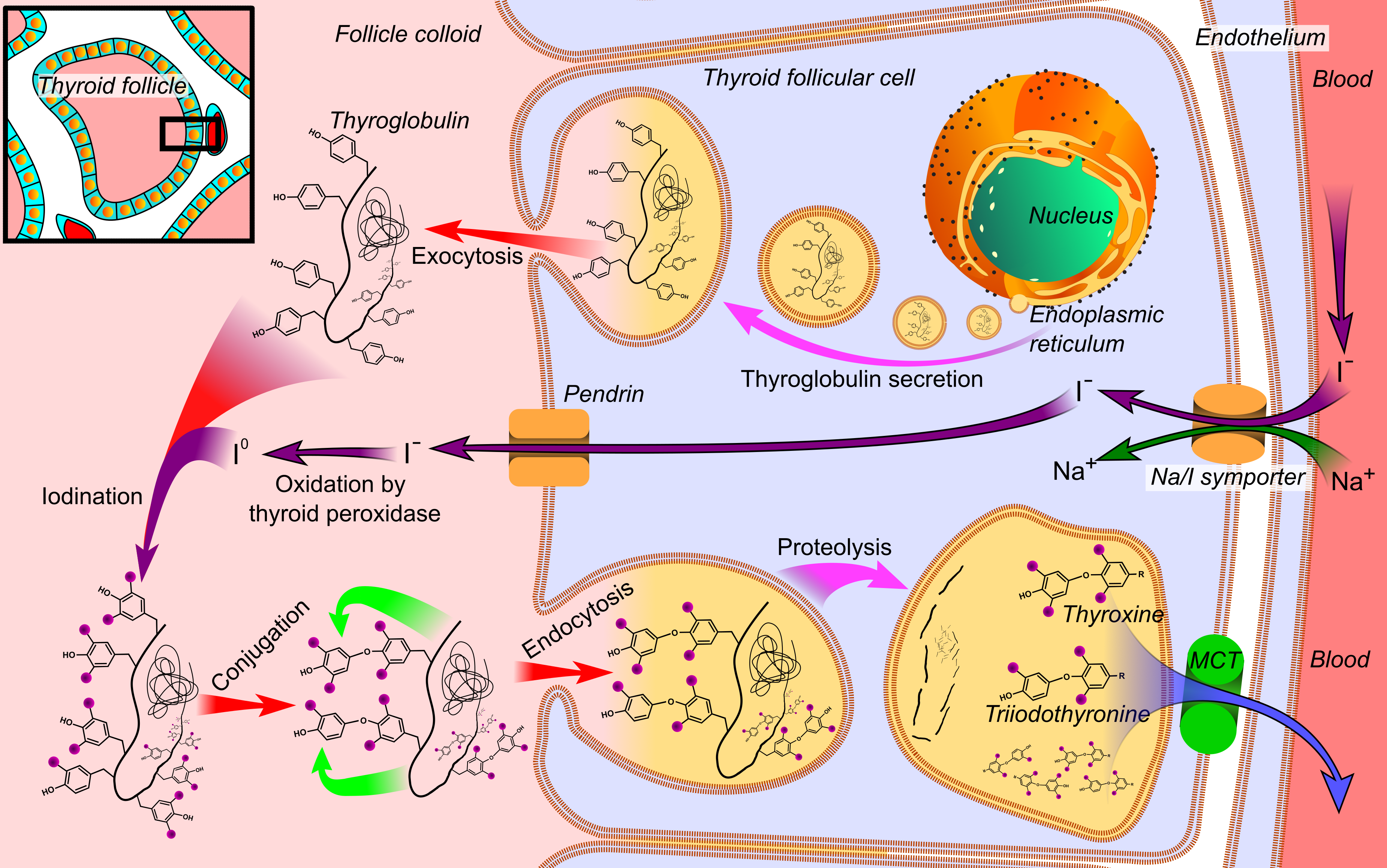
Steps of synthesis:
-
Iodide trapping
-
Oxidation of iodide
-
Organification
-
Coupling reaction
-
MIT + DIT → T₃
-
DIT + DIT → T₄
-
Storage
-
Release
Secretion and Transport


Mechanism of Action

-
Thyroid hormones are lipophilic.
-
Enter cells by diffusion.
-
T₄ converted to T₃ inside cell.
-
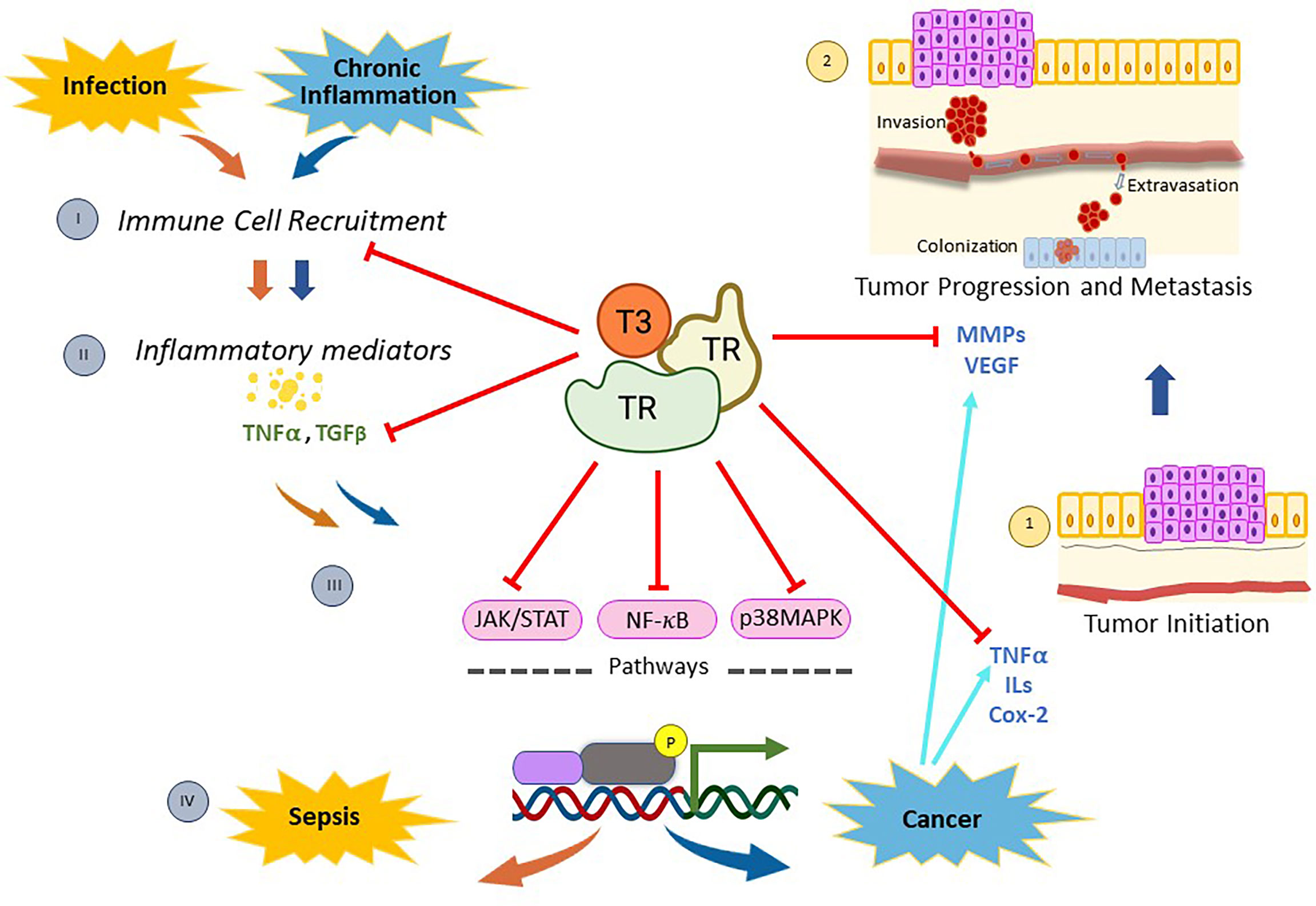
T₃ binds to nuclear thyroid hormone receptor.
-
Hormone-receptor complex binds DNA at thyroid response elements.
-
Alters gene transcription and protein synthesis.
-
Action is slow in onset but long-lasting.
Metabolic Effects of Thyroid Hormones
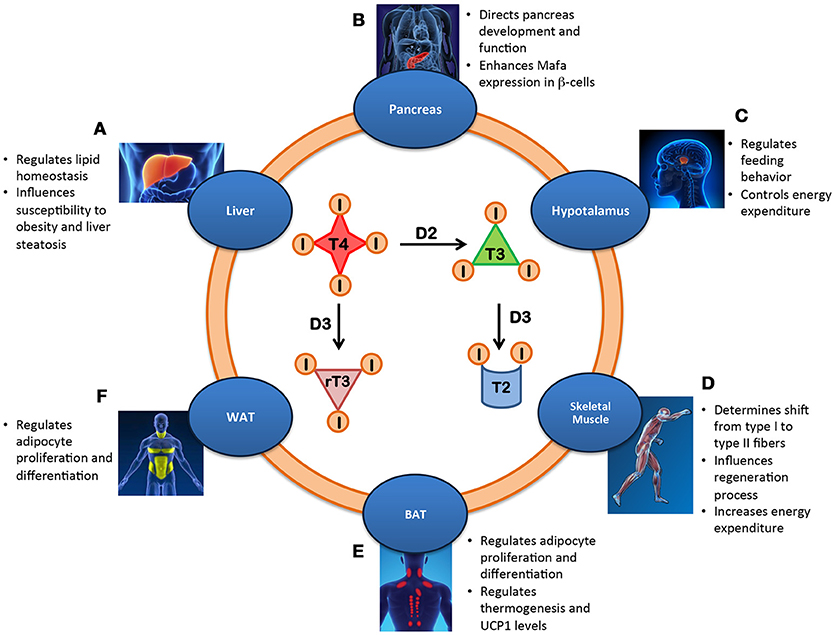


Thyroid hormones increase basal metabolic rate (BMR).
Carbohydrate metabolism
-
↑ Glucose absorption
-
↑ Glycolysis
-
↑ Gluconeogenesis
Lipid metabolism
-
↑ Lipolysis
-
↓ Serum cholesterol
-
↑ Fatty acid oxidation
Protein metabolism
Calorigenic effect
-
↑ Oxygen consumption
-
↑ Heat production
Effects on Organ Systems (High-Yield)
-
Cardiovascular → ↑ heart rate, ↑ cardiac output
-
Nervous system → alertness, reflexes
-
Growth & development → brain maturation
-
GIT → ↑ appetite and motility
-
Musculoskeletal → normal bone growth
Regulation of Thyroid Hormones


-
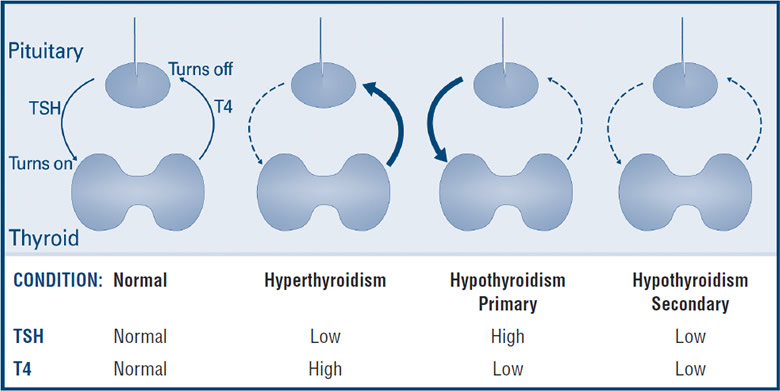
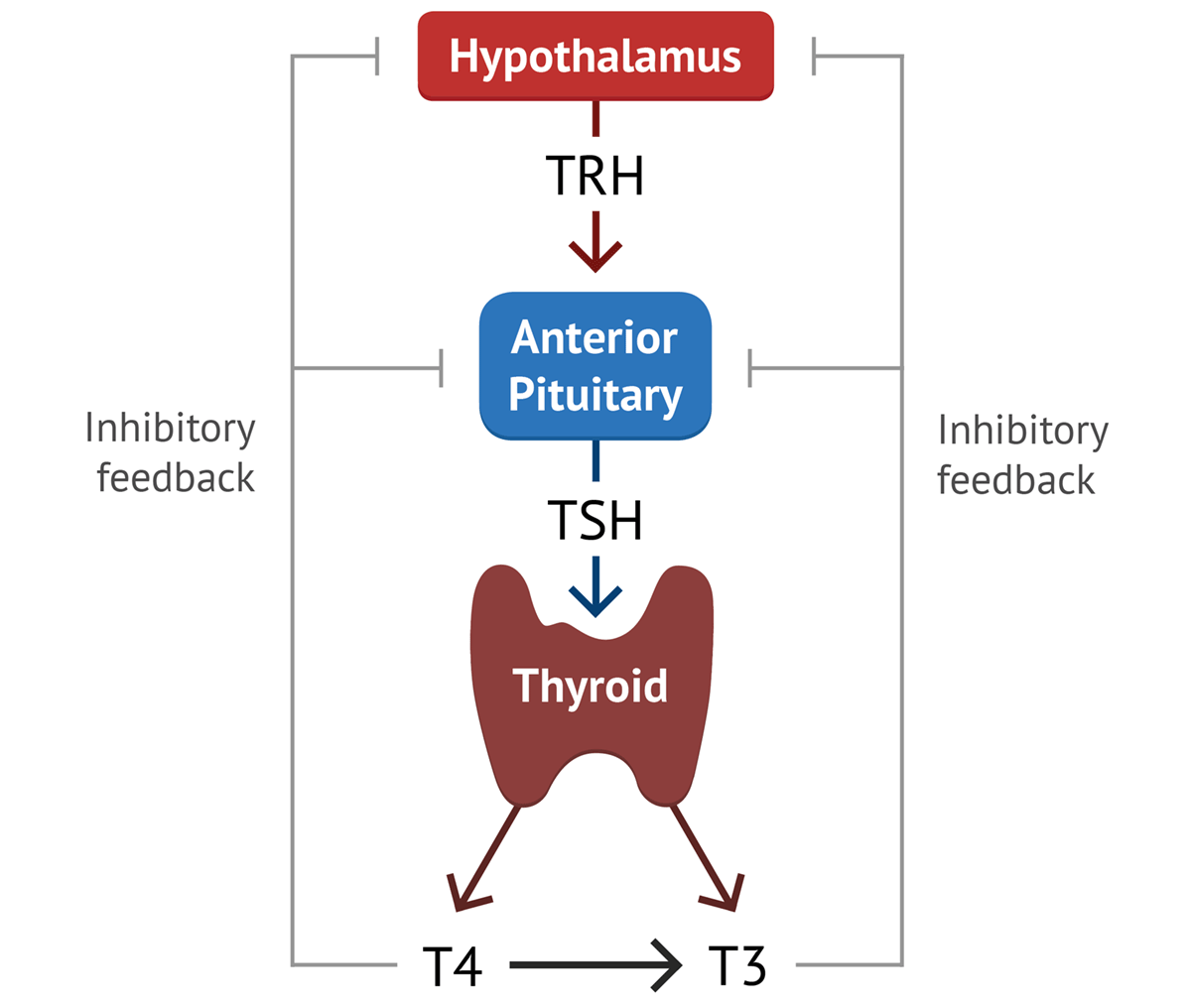
TRH (hypothalamus) → stimulates TSH
-
TSH (pituitary) → stimulates thyroid hormone synthesis
-
Negative feedback by T₃ and T₄ on TRH and TSH.
High-Yield Exam Points
-
T₃ is 3–5 times more potent than T₄.
-
Thyroid hormones are stored in colloid.
-
Thyroid peroxidase is essential for synthesis.
-
Nuclear receptor–mediated action.
-
Increase BMR and oxygen consumption.
-
Essential for growth and CNS development.
Assessment of Thyroid Function


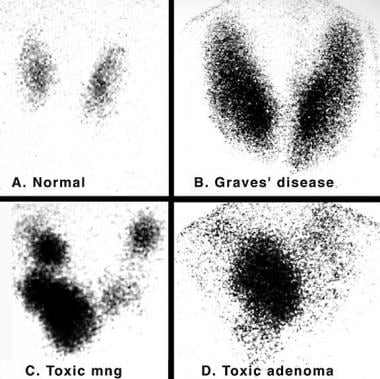
Thyroid function is assessed by evaluating hormone levels, regulation, and gland activity.
Serum TSH
-
Most sensitive screening test
-
↑ TSH → primary hypothyroidism
-
↓ TSH → hyperthyroidism
-
Reflects pituitary response to circulating thyroid hormones
Serum T₃ and T₄
-
Total T₄ and T₃ measure bound + free hormone
-
Free T₄ and free T₃ reflect biologically active hormone
-
T₃ rises earlier in hyperthyroidism
Thyroid Binding Proteins
Radioactive Iodine Uptake (RAIU)
Thyroid Antibodies
Hyperthyroidism
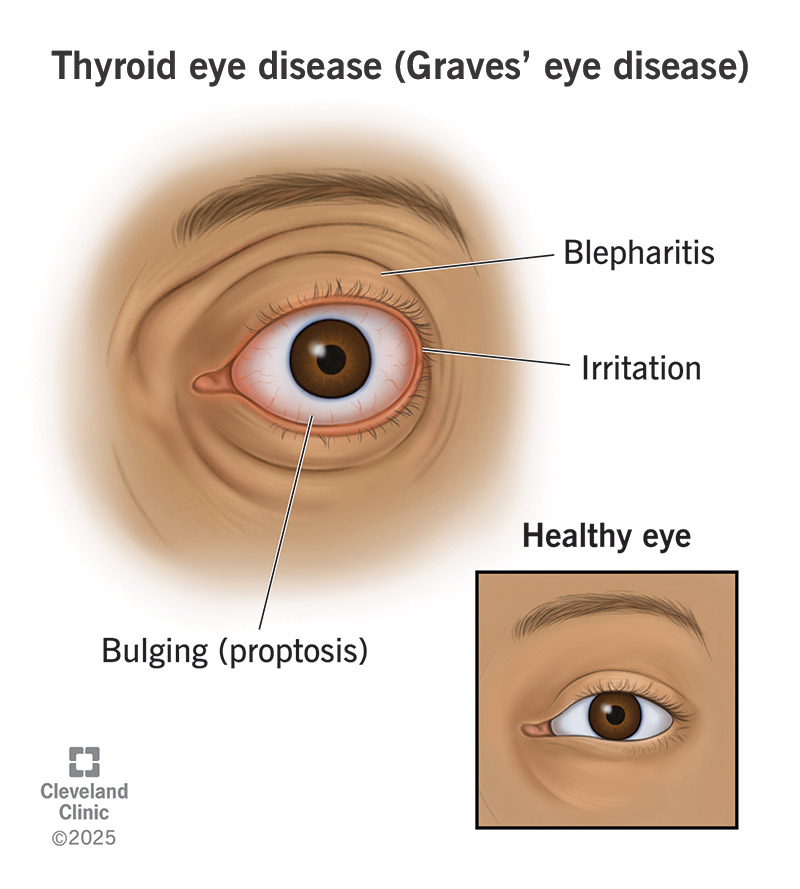
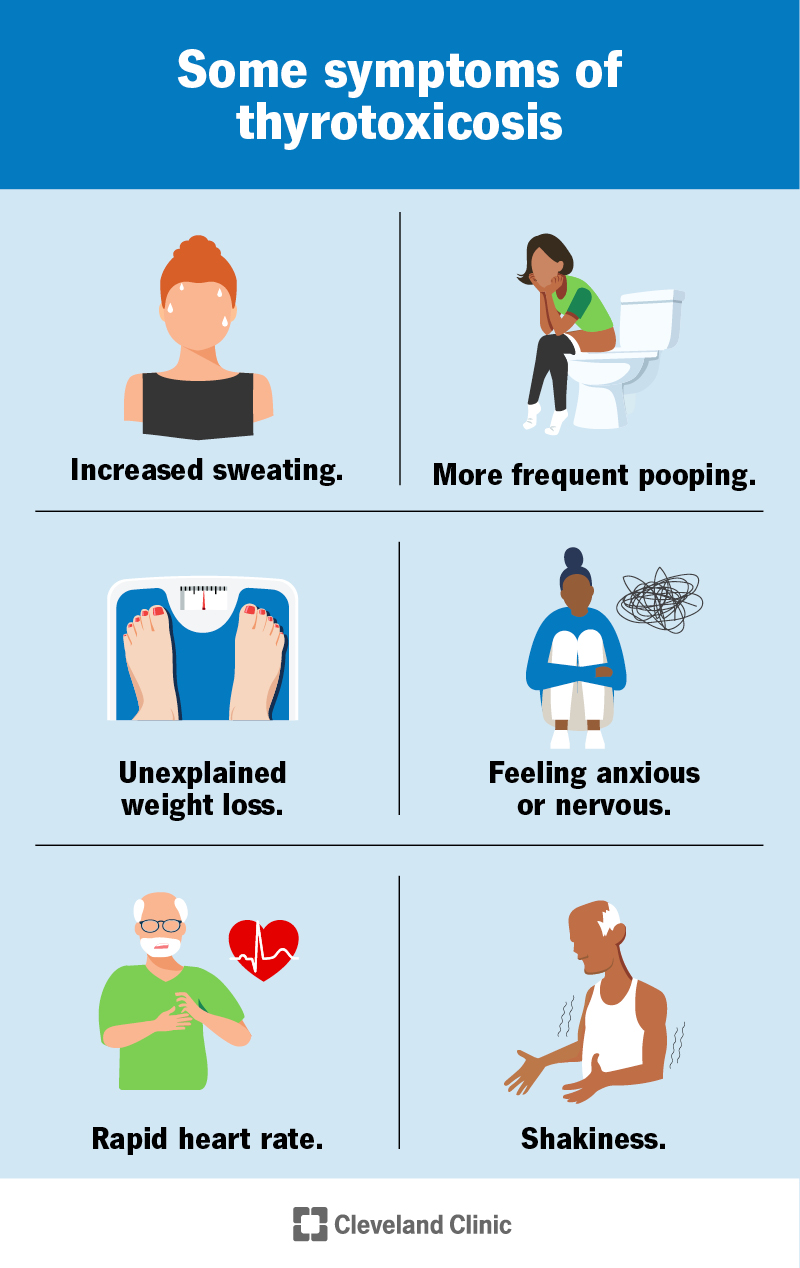
Hyperthyroidism is a state of excess thyroid hormone action.
Causes
-
Graves disease (most common)
-
Toxic multinodular goiter
-
Thyroid adenoma
-
Excess thyroid hormone intake
Biochemical findings
Clinical features
Metabolic effects
-
↑ Basal metabolic rate
-
↑ Lipolysis
-
↑ Protein catabolism
Hypothyroidism
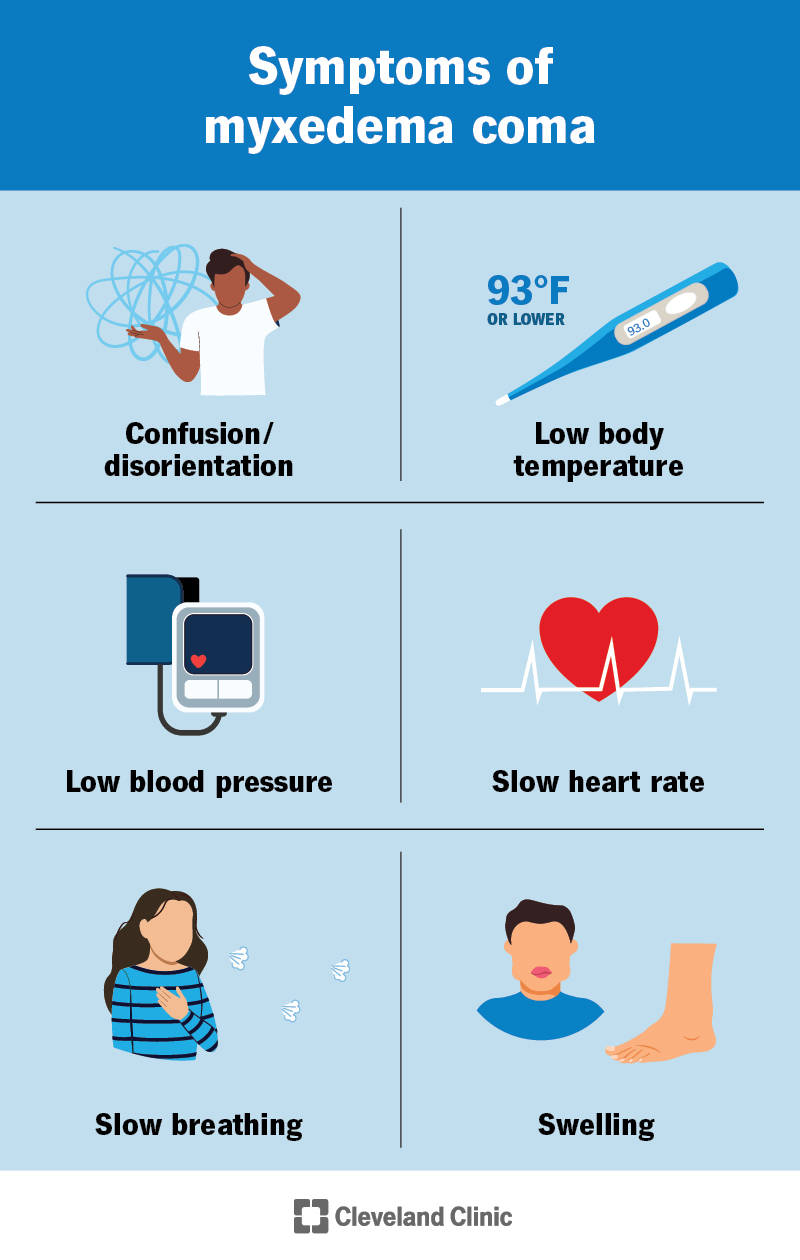


Hypothyroidism is a state of deficient thyroid hormone action.
Causes
-
Hashimoto thyroiditis (most common)
-
Iodine deficiency
-
Thyroidectomy
-
Drugs (antithyroid drugs)
-
Congenital absence of thyroid
Biochemical findings
Clinical features
-
Weight gain
-
Cold intolerance
-
Fatigue
-
Constipation
-
Bradycardia
-
Dry skin
-
Hair loss
-
Depression
-
Puffy face (myxedema)
Special forms
-
Cretinism (children)
-
Mental retardation
-
Growth failure
-
Myxedema (adults)
-
Non-pitting edema
-
Hypothermia
-
Reduced metabolism
Comparison (Very High-Yield)
| Feature |
Hyperthyroidism |
Hypothyroidism |
| TSH |
↓ |
↑ |
| T₃ / T₄ |
↑ |
↓ |
| BMR |
Increased |
Decreased |
| Weight |
Loss |
Gain |
| Heat tolerance |
Decreased |
Increased |
| Heart rate |
Increased |
Decreased |
High-Yield Exam Points
-
TSH is the best screening test
-
T₃ toxicosis → early hyperthyroidism
-
Graves disease → autoimmune hyperthyroidism
-
Hashimoto thyroiditis → autoimmune hypothyroidism
-
Iodine deficiency → hypothyroidism
-
Thyroid hormones regulate BMR and growth
FAQs
What is the most sensitive test for assessing thyroid function?
Serum TSH.
Why is TSH considered the best screening test?
Because it reflects the pituitary response to circulating thyroid hormones.
What do free T₃ and free T₄ indicate?
The biologically active fraction of thyroid hormones.
Why can total T₄ be altered without thyroid disease?
Due to changes in thyroxine-binding globulin (TBG) levels.
What is radioactive iodine uptake (RAIU) test used for?
To assess iodine trapping and thyroid hormone synthesis.
What does increased RAIU indicate?
Hyperfunctioning thyroid (e.g., Graves disease).
What does decreased RAIU suggest?
Thyroiditis or exogenous thyroid hormone intake.
Which antibodies are seen in autoimmune thyroid disease?
Anti-thyroid peroxidase (anti-TPO) and anti-thyroglobulin antibodies.
What is hyperthyroidism?
A clinical state of excess thyroid hormone action.
What is the most common cause of hyperthyroidism?
Graves disease.
What are the biochemical findings in hyperthyroidism?
↓ TSH, ↑ free T₄ and/or T₃.
What is T₃ toxicosis?
Hyperthyroidism with elevated T₃ and normal T₄.
What are common symptoms of hyperthyroidism?
Weight loss, heat intolerance, palpitations, tremors, anxiety.
Why does weight loss occur in hyperthyroidism?
Due to increased basal metabolic rate.
What causes exophthalmos in Graves disease?
Autoimmune inflammation of retro-orbital tissues.
What is hypothyroidism?
A condition of deficient thyroid hormone action.
What is the most common cause of hypothyroidism?
Hashimoto thyroiditis.
What are the biochemical findings in primary hypothyroidism?
↑ TSH, ↓ free T₄.
What is myxedema?
Severe adult hypothyroidism with non-pitting edema.
What is cretinism?
Congenital hypothyroidism causing mental retardation and growth failure.
Why does weight gain occur in hypothyroidism?
Due to decreased metabolic rate.
Why does hyperpigmentation not occur in hypothyroidism?
Because ACTH levels are not elevated.
What happens to cholesterol levels in hypothyroidism?
They are increased.
What cardiovascular changes occur in hyperthyroidism?
Tachycardia and increased cardiac output.
What cardiovascular changes occur in hypothyroidism?
Bradycardia and reduced cardiac output.
How do thyroid hormones affect growth and development?
They are essential for normal CNS development and growth.
How does iodine deficiency affect thyroid function?
Leads to hypothyroidism and goiter.
What is subclinical hypothyroidism?
Elevated TSH with normal T₃ and T₄.
What is subclinical hyperthyroidism?
Low TSH with normal T₃ and T₄.
Summarize the importance of thyroid function tests.
They help diagnose, classify, and monitor thyroid disorders accurately.
MCQs
1. The most sensitive screening test for thyroid function is:
A. Total T₄
B. Free T₄
C. Serum TSH
D. Radioiodine uptake
Answer: C
2. The biologically active fraction of thyroid hormone is:
A. Total T₄
B. Protein-bound T₄
C. Free T₄ and Free T₃
D. Thyroxine-binding globulin
Answer: C
3. Increased total T₄ with normal free T₄ is most likely due to:
A. Graves disease
B. Hypothyroidism
C. Increased TBG
D. Thyroiditis
Answer: C
4. Radioactive iodine uptake (RAIU) is increased in:
A. Subacute thyroiditis
B. Thyroid hormone overdose
C. Graves disease
D. Hypopituitarism
Answer: C
5. Low RAIU with high thyroid hormones suggests:
A. Graves disease
B. Toxic multinodular goiter
C. Thyroiditis
D. Iodine deficiency
Answer: C
6. The most common cause of hyperthyroidism is:
A. Toxic adenoma
B. Thyroiditis
C. Graves disease
D. Iodine excess
Answer: C
7. Typical biochemical finding in hyperthyroidism is:
A. ↑ TSH, ↓ T₄
B. ↓ TSH, ↑ T₄
C. ↑ TSH, ↑ T₄
D. ↓ TSH, ↓ T₄
Answer: B
8. T₃ toxicosis refers to:
A. Increased T₄ only
B. Increased T₃ with normal T₄
C. Increased TSH
D. Decreased T₃
Answer: B
9. Exophthalmos is characteristically seen in:
A. Hashimoto thyroiditis
B. Subacute thyroiditis
C. Graves disease
D. Iodine deficiency goiter
Answer: C
10. Weight loss in hyperthyroidism occurs due to:
A. Decreased appetite
B. Decreased metabolism
C. Increased basal metabolic rate
D. Malabsorption
Answer: C
11. The most common cause of hypothyroidism is:
A. Iodine deficiency
B. Hashimoto thyroiditis
C. Thyroid adenoma
D. Pituitary tumor
Answer: B
12. Typical biochemical finding in primary hypothyroidism is:
A. ↓ TSH, ↓ T₄
B. ↑ TSH, ↓ T₄
C. ↓ TSH, ↑ T₄
D. Normal TSH, ↓ T₄
Answer: B
13. Myxedema refers to:
A. Congenital hypothyroidism
B. Severe adult hypothyroidism
C. Hyperthyroid crisis
D. Thyroid cancer
Answer: B
14. Cretinism is caused by:
A. Adult hypothyroidism
B. Hyperthyroidism in infancy
C. Congenital hypothyroidism
D. Pituitary insufficiency
Answer: C
15. A child with untreated hypothyroidism is most likely to develop:
A. Hypertension
B. Precocious puberty
C. Mental retardation
D. Hyperglycemia
Answer: C
16. Serum cholesterol levels in hypothyroidism are:
A. Decreased
B. Normal
C. Increased
D. Unchanged
Answer: C
17. Bradycardia is commonly seen in:
A. Hyperthyroidism
B. Graves disease
C. Hypothyroidism
D. Thyroid storm
Answer: C
18. Subclinical hypothyroidism is defined as:
A. Normal TSH with low T₄
B. High TSH with normal T₄
C. Low TSH with normal T₄
D. Low TSH with low T₄
Answer: B
19. Subclinical hyperthyroidism shows:
A. ↑ TSH, normal T₄
B. ↓ TSH, normal T₄
C. ↑ TSH, ↑ T₄
D. ↓ TSH, ↓ T₄
Answer: B
20. Thyroid hormones are essential for:
A. Only adult metabolism
B. Only reproductive function
C. Growth and CNS development
D. Electrolyte balance only
Answer: C
Clinical Problem–Based Questions
Clinical Problem 1
A 28-year-old woman presents with weight loss, palpitations, heat intolerance, and tremors. Her pulse is 110/min. Laboratory tests show low TSH and elevated free T₄.
Question:
What is the most likely diagnosis?
Answer:
Hyperthyroidism
Clinical Problem 2
A patient has hyperthyroid symptoms with low TSH, high T₃, and normal T₄.
Question:
What is this condition called?
Answer:
T₃ toxicosis
Clinical Problem 3
A 32-year-old woman presents with goiter and protrusion of eyes. Radioactive iodine uptake is increased.
Question:
What is the most likely cause?
Answer:
Graves disease
Clinical Problem 4
A patient with thyrotoxic symptoms has low radioactive iodine uptake.
Question:
What is the most likely diagnosis?
Answer:
Thyroiditis or exogenous thyroid hormone intake
Clinical Problem 5
A patient has increased total T₄ but normal free T₄ and normal TSH.
Question:
What is the likely explanation?
Answer:
Increased thyroxine-binding globulin (TBG)
Clinical Problem 6
A 45-year-old woman complains of weight gain, cold intolerance, constipation, and fatigue. Examination shows dry skin and bradycardia. TSH is elevated.
Question:
What is the diagnosis?
Answer:
Primary hypothyroidism
Clinical Problem 7
A patient with hypothyroidism shows high anti-thyroid peroxidase antibodies.
Question:
What is the most likely cause?
Answer:
Hashimoto thyroiditis
Clinical Problem 8
A patient with pituitary tumor has low TSH and low T₄.
Question:
What type of hypothyroidism is this?
Answer:
Secondary hypothyroidism
Clinical Problem 9
A newborn presents with large tongue, hypotonia, and delayed milestones.
Question:
Which thyroid disorder explains these features?
Answer:
Congenital hypothyroidism (cretinism)
Clinical Problem 10
A child with untreated hypothyroidism develops severe mental retardation.
Question:
Why does this occur?
Answer:
Because thyroid hormones are essential for normal CNS development.
Clinical Problem 11
A patient presents with non-pitting edema of face and extremities, hypothermia, and bradycardia.
Question:
What is this condition called?
Answer:
Myxedema
Clinical Problem 12
A patient shows elevated TSH with normal T₃ and T₄ levels.
Question:
What is the diagnosis?
Answer:
Subclinical hypothyroidism
Clinical Problem 13
A patient has low TSH with normal thyroid hormone levels.
Question:
What is this condition termed?
Answer:
Subclinical hyperthyroidism
Clinical Problem 14
A hyperthyroid patient develops atrial fibrillation.
Question:
Which metabolic effect of thyroid hormone explains this?
Answer:
Increased β-adrenergic sensitivity and cardiac output
Clinical Problem 15
A patient with hypothyroidism has elevated serum cholesterol.
Question:
Why does this occur?
Answer:
Due to reduced LDL receptor activity and decreased lipid metabolism.
Clinical Problem 16
A patient with hyperthyroidism experiences muscle weakness and weight loss.
Question:
Which metabolic effect is responsible?
Answer:
Increased protein catabolism
Clinical Problem 17
A woman treated with excess levothyroxine shows suppressed TSH.
Question:
What does this indicate?
Answer:
Iatrogenic hyperthyroidism
Clinical Problem 18
A patient has goiter with normal thyroid hormone levels.
Question:
What is this condition called?
Answer:
Euthyroid goiter
Clinical Problem 19
A patient with iodine deficiency develops goiter.
Question:
Why does goiter occur despite low thyroid hormone levels?
Answer:
Due to TSH-mediated thyroid hyperplasia.
Clinical Problem 20
A hyperthyroid patient complains of excessive sweating and heat intolerance.
Question:
Which hormone effect explains this?
Answer:
Increased basal metabolic rate and heat production
Rapid-Fire Viva-Voce
Most sensitive screening test for thyroid function?
Serum TSH
Biologically active thyroid hormones?
Free T₃ and Free T₄
Main thyroid hormone secreted by the gland?
Thyroxine (T₄)
Most potent thyroid hormone?
Triiodothyronine (T₃)
Transport protein with highest affinity for thyroid hormones?
Thyroxine-binding globulin (TBG)
Enzyme responsible for iodide oxidation?
Thyroid peroxidase
Test that measures iodine trapping by thyroid?
Radioactive iodine uptake (RAIU)
Increased RAIU is seen in?
Graves disease
Decreased RAIU with thyrotoxicosis suggests?
Thyroiditis or exogenous hormone intake
Most common cause of hyperthyroidism?
Graves disease
Autoimmune antibody in Graves disease?
TSH receptor antibody
Eye signs in Graves disease are due to?
Autoimmune inflammation of retro-orbital tissues
Typical biochemical finding in hyperthyroidism?
↓ TSH, ↑ T₃/T₄
T₃ toxicosis means?
High T₃ with normal T₄
Why weight loss occurs in hyperthyroidism?
Increased basal metabolic rate
Cardiac effect of hyperthyroidism?
Tachycardia
Most common cause of hypothyroidism?
Hashimoto thyroiditis
Autoantibody seen in Hashimoto thyroiditis?
Anti-thyroid peroxidase antibody
Typical biochemical finding in primary hypothyroidism?
↑ TSH, ↓ T₄
Myxedema refers to?
Severe adult hypothyroidism
Cause of non-pitting edema in myxedema?
Glycosaminoglycan deposition
Cretinism is due to?
Congenital hypothyroidism
Key effect of hypothyroidism on heart?
Bradycardia
Lipid abnormality in hypothyroidism?
Hypercholesterolemia
Subclinical hypothyroidism shows?
↑ TSH with normal T₃/T₄
Subclinical hyperthyroidism shows?
↓ TSH with normal T₃/T₄
Effect of thyroid hormones on CNS development?
Essential for normal brain maturation
Regulation of thyroid hormones occurs via?
Hypothalamic-pituitary-thyroid axis
Negative feedback hormone on TSH?
T₃ and T₄
Why goiter occurs in iodine deficiency?
Chronic TSH stimulation
Best single test to monitor thyroid therapy?
Serum TSH
 Continue with Google