Immune Response


Effector Mechanisms of Immune Response


-
Humoral effector mechanisms
-
Cell-mediated effector mechanisms
-
Antibody-dependent cellular cytotoxicity (ADCC)
-
Complement-mediated lysis
Cell-Mediated Immunity (CMI)


-
Definition
-
Cells involved
-
Antigen presentation
-
MHC I → CD8⁺ T cells
-
MHC II → CD4⁺ T cells
-
Functions
-
Key cytokines
-
Examples
-
Tuberculin skin test
-
Contact dermatitis
Humoral Immunity


-
Definition
-
Cells involved
-
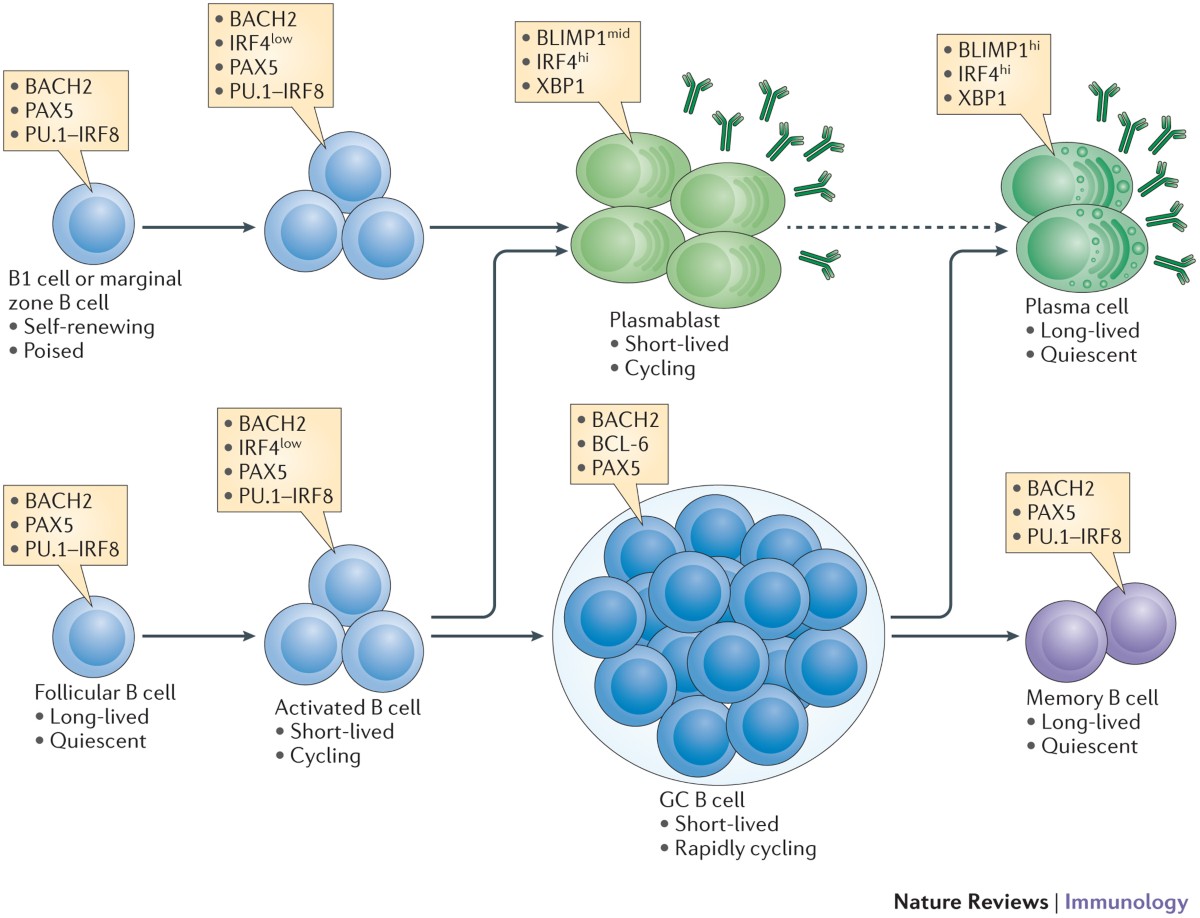
B lymphocytes
-
Plasma cells
-
Mechanism
-
Antigen binds B-cell receptor
-
T-dependent or T-independent activation
-
Differentiation into plasma cells
-
Functions of antibodies
-
Neutralization
-
Opsonization
-
Complement activation
-
Agglutination
-
Important against
-
Extracellular bacteria
-
Toxin-mediated diseases
Structure of Immunoglobulins


-
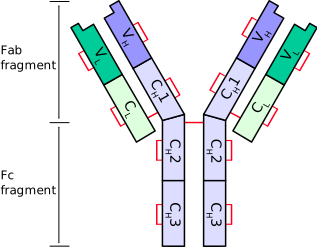
Basic structure
-
Chains
-
2 heavy (H) chains
-
2 light (L) chains
-
Light chains
-
Heavy chains
-
Gamma (γ), Alpha (α), Mu (μ), Delta (δ), Epsilon (ε)
-
Regions
-
Variable region
-
Antigen-binding site
-
Determines specificity
-
Constant region
-
Fragments
-
Fab
-
Fc
-
Complement activation
-
Binding to Fc receptors
-
Hinge region
-
Disulfide bonds
Classes of Immunoglobulins


-
IgG
-
IgA
-
IgM
-
First antibody produced
-
Pentameric structure
-
IgE
-
IgD
Variability of Immunoglobulins


-
Definition
-
Basis of variability
-
Region responsible
-
Significance
Classes of Immunoglobulins


IgG


IgM


IgA
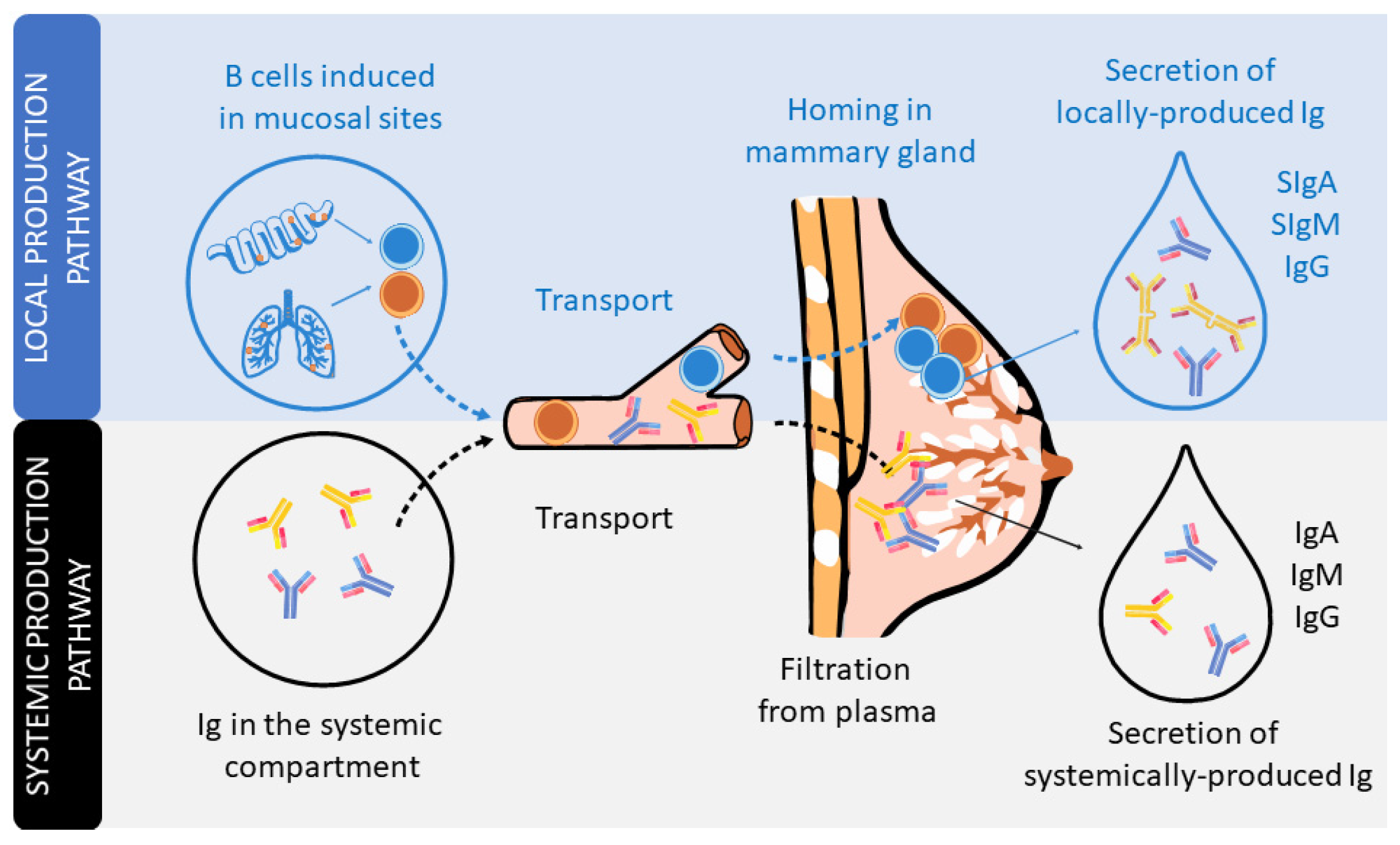

IgE


Isotypes (Isotopes)
-
Definition
-
Determined by
-
Examples
-
Present in
Allotypes

-
Definition
-
Basis
-
Location
-
Clinical relevance
-
Transfusion reactions
-
Transplant immunology
Idiotypes (Ideotypes)

-
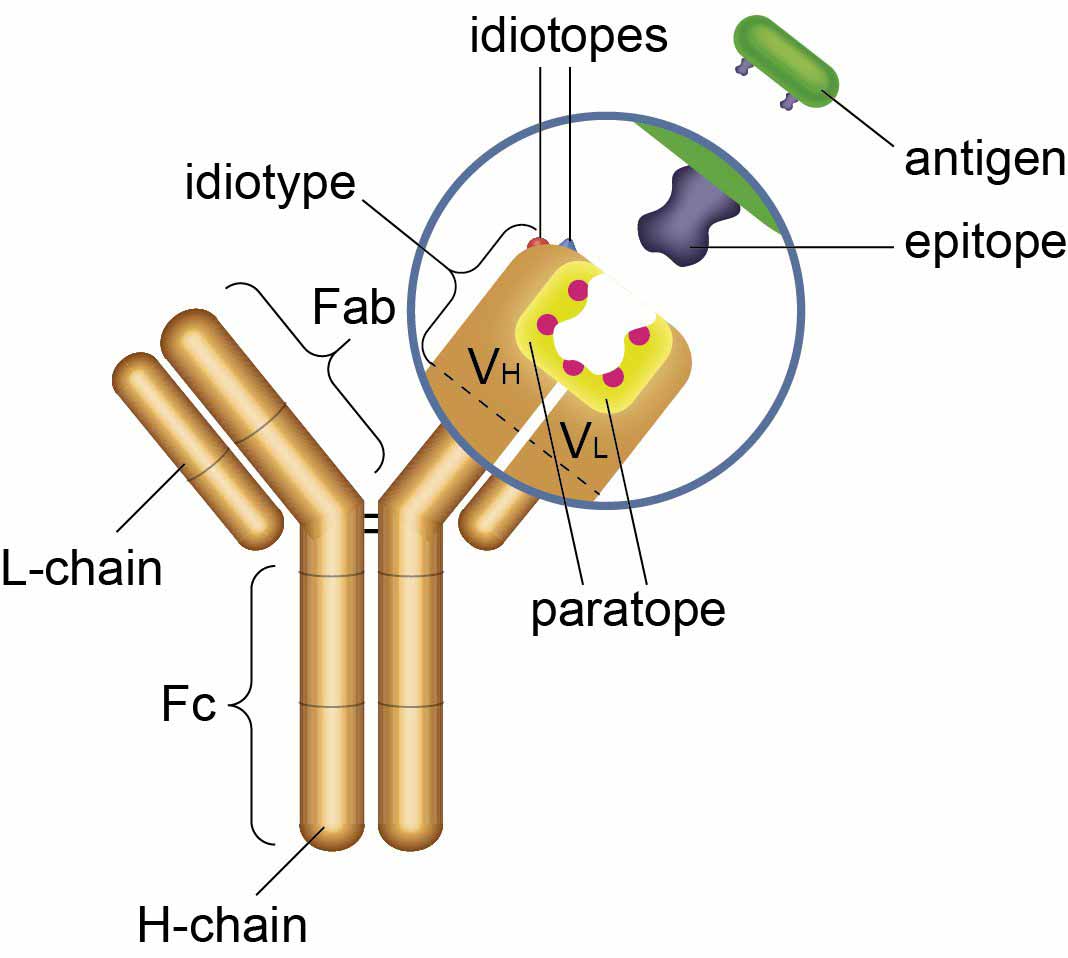
Definition
-
Location
-
Specific to
-
Importance
Multiple Myeloma


-
Definition
-
Type of immunoglobulin
-
Most commonly IgG
-
IgA less common
-
Rarely light chains only
-
Pathogenesis
-
Biochemical features
-
Clinical features
-
Bone pain
-
Pathological fractures
-
Recurrent infections
-
Anemia
-
Renal involvement
-
Light chain deposition
-
Cast nephropathy
-
Complications
-
Hypercalcemia
-
Renal failure
-
Diagnosis
Plasmacytoma
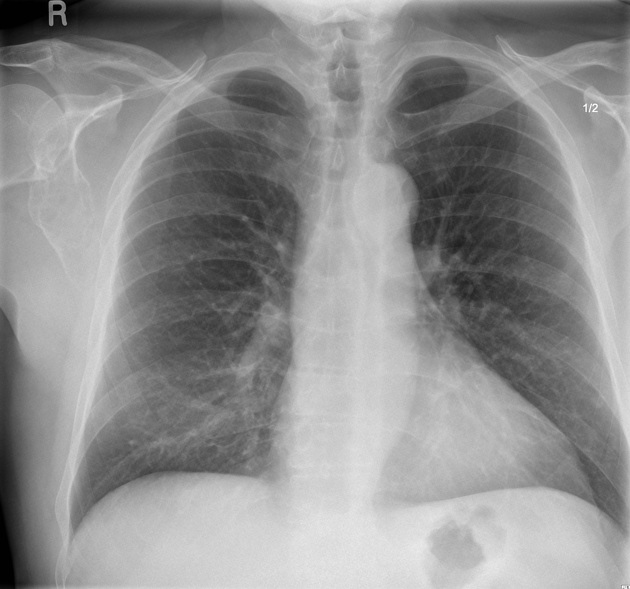

Bence–Jones Proteinuria


-
Definition
-
Seen in
-
Multiple myeloma
-
Plasma cell dyscrasias
-
Type of protein
-
Special property
-
Precipitates at 40–60°C
-
Redissolves on boiling
-
Reappears on cooling
-
Biochemical importance
-
Diagnostic value
Macroglobulinemia (Waldenström’s)
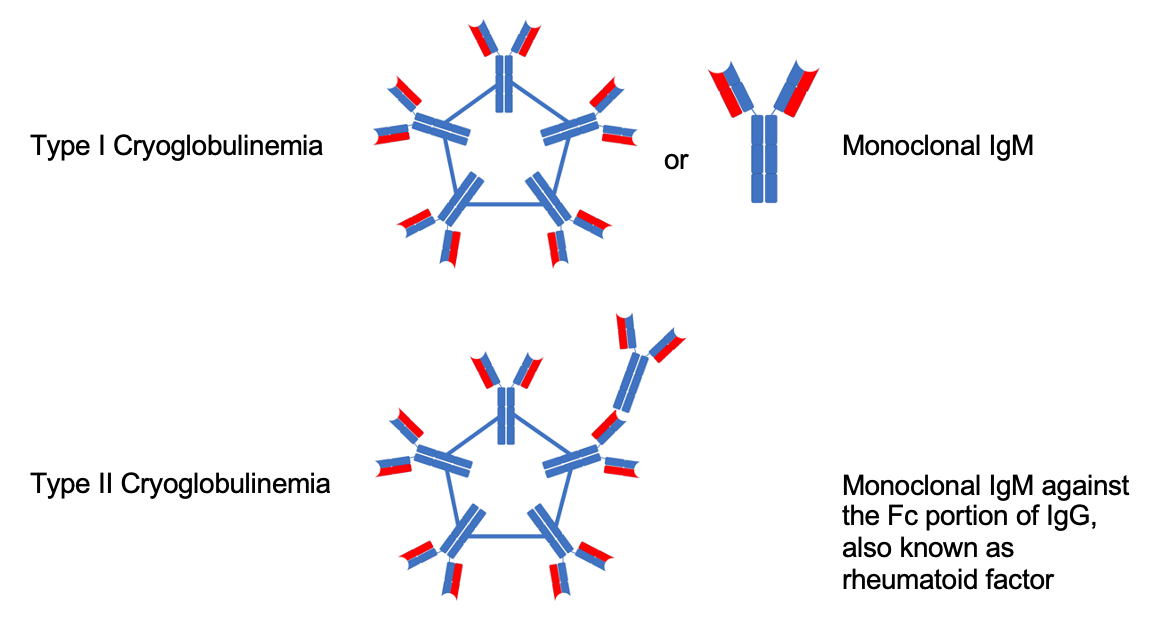
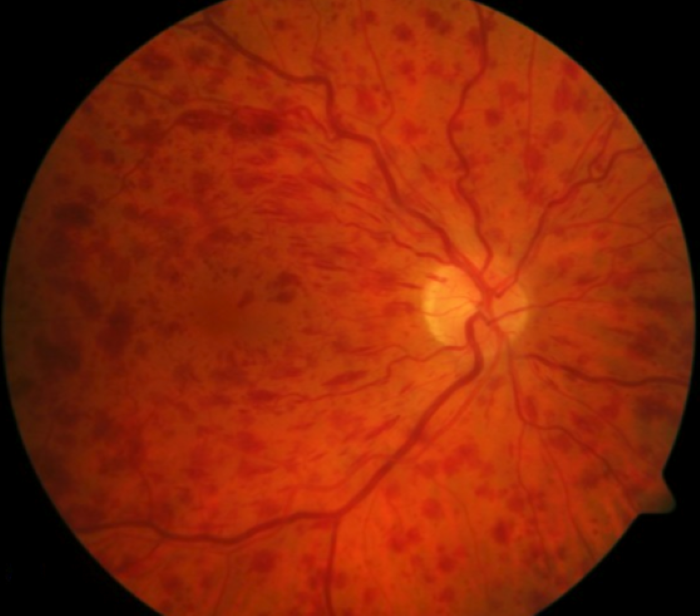
Hypergammaglobulinemia


One-line exam memory hook
-
Myeloma → monoclonal Ig + bone destruction
-
Plasmacytoma → localized plasma cell tumor
-
Bence-Jones → light chains in urine
-
Macroglobulinemia → IgM + hyperviscosity
-
Hypergammaglobulinemia → increased gamma fraction
Complement System
-
Definition
-
Nature
-
Components
-
Pathways of activation
-
Classical pathway
-
Alternative pathway
-
Lectin pathway
-
Common terminal pathway
-
Biological functions
-
Cell lysis
-
Opsonization (C3b)
-
Chemotaxis (C5a)
-
Inflammation
-
Regulation
Hereditary Angioneurotic Edema
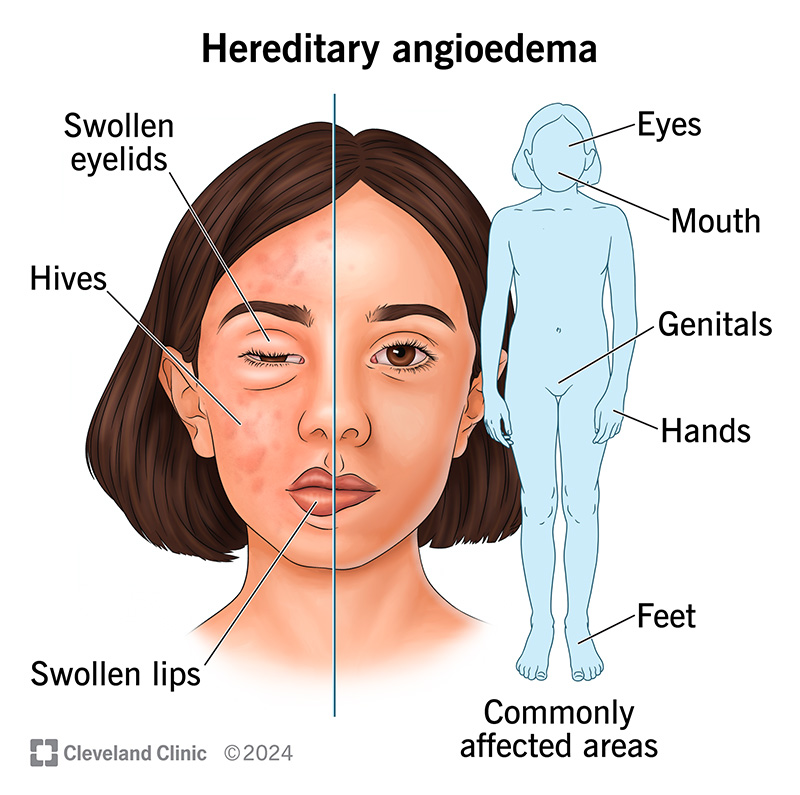
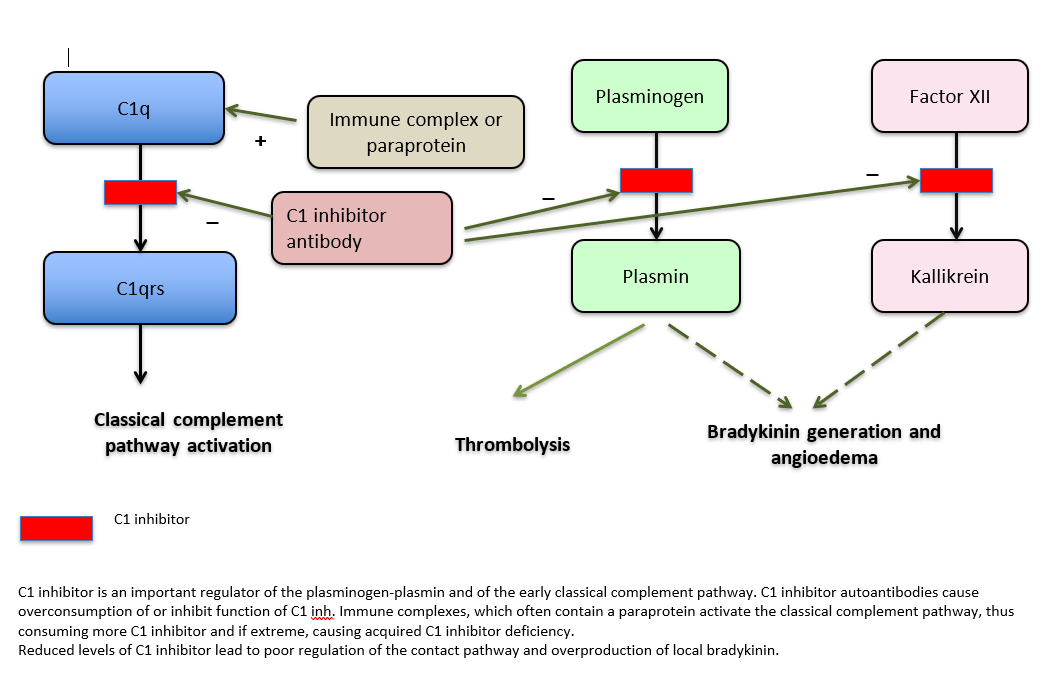
-
Definition
-
Pathophysiology
-
Biochemical defect
-
Clinical features
-
Recurrent non-pitting edema
-
Involves skin, gastrointestinal tract, larynx
-
No urticaria or itching
-
Triggers
-
Trauma
-
Stress
-
Dental procedures
-
Laboratory findings
-
Treatment
Immunodeficiency States


Molecular Mechanisms of Antibody Production


Rapid exam memory hooks
-
Complement → lysis, opsonization, inflammation
-
Hereditary angioedema → C1 esterase inhibitor deficiency
-
Immunodeficiency → recurrent infections
-
Antibody production → V(D)J recombination + class switching
Transposition of Genes
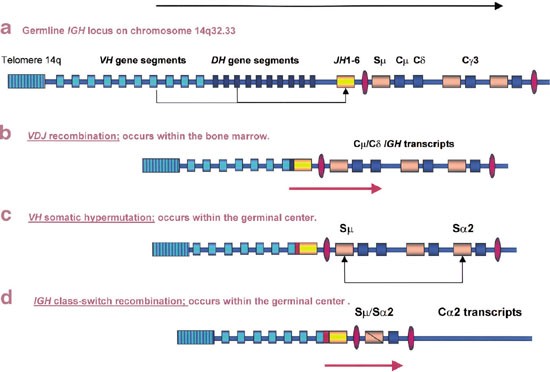

-
Definition
-
Relevance in immunity
-
Mechanism
-
Enzymes involved
-
Outcome
-
Site
Somatic Recombination


-
Definition
-
Occurs in
-
Steps
-
Selection of V, D, J segments
-
Joining with deletion of intervening DNA
-
Significance
-
Clinical relevance
Molecular Structure of Antigens


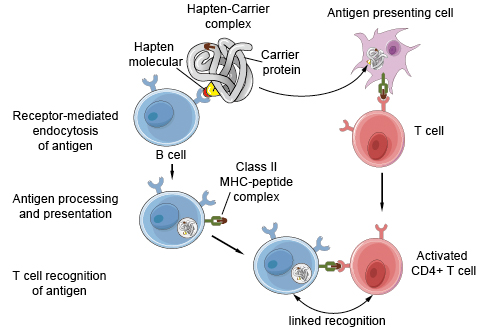
HLA Antigens


-
Definition
-
Location
-
Classes
-
Functions
-
Clinical importance
-
Organ transplantation
-
Autoimmune diseases
-
Disease susceptibility
Cytokines


-
Definition
-
Produced by
-
Lymphocytes
-
Macrophages
-
Endothelial cells
-
Characteristics
-
Major types
-
Interleukins
-
Interferons
-
Tumor necrosis factors
-
Functions
-
Cell activation
-
Proliferation
-
Differentiation
-
Inflammation regulation
Lymphokines


-
Definition
-
Major sources
-
Examples
-
IL-2 → T-cell proliferation
-
IFN-γ → macrophage activation
-
IL-4 → B-cell differentiation
-
Functions
-
Role in hypersensitivity
Rapid exam recall lines
-
Gene transposition + somatic recombination → antibody diversity
-
Antigen → epitope-based recognition
-
HLA → antigen presentation + transplant fate
-
Cytokines → immune communication
-
Lymphokines → T-cell control signals
FAQs – Immunochemistry (Advanced Concepts)
What is transposition of genes in the immune system?
It is the rearrangement of immunoglobulin and T-cell receptor gene segments (V, D, J) during lymphocyte development to generate antibody diversity.
Which enzymes are responsible for gene transposition in antibody formation?
Recombination activating genes RAG-1 and RAG-2.
What is somatic recombination?
DNA rearrangement occurring in somatic lymphoid cells leading to unique antigen receptors on each B or T cell.
How does somatic recombination differ from germline recombination?
Somatic recombination occurs in immune cells after birth, whereas germline recombination occurs during gamete formation and is inherited.
What is an antigen?
A substance capable of inducing an immune response and specifically reacting with antibodies or T-cell receptors.
What is an epitope?
The specific antigenic determinant on an antigen molecule that binds to an antibody or T-cell receptor.
Which chemical substances are most antigenic?
Proteins are the most potent antigens due to their large size and chemical complexity.
What is a hapten?
A small molecule that is antigenic but not immunogenic unless attached to a carrier protein.
What are HLA antigens?
Human leukocyte antigens are cell surface proteins involved in antigen presentation and immune regulation.
Where are HLA genes located?
On chromosome 6.
Differentiate HLA class I and class II.
-
Class I → present on all nucleated cells, present endogenous antigens, interact with CD8⁺ T cells
-
Class II → present on antigen-presenting cells, present exogenous antigens, interact with CD4⁺ T cells
Why are HLA antigens important clinically?
They determine transplant compatibility and are associated with autoimmune diseases.
What are cytokines?
Low-molecular-weight proteins that mediate communication between immune cells.
Name important cytokines and their functions.
-
IL-2 → T-cell proliferation
-
IFN-γ → macrophage activation
-
TNF-α → inflammation and apoptosis
What are lymphokines?
Cytokines produced specifically by activated lymphocytes.
How do lymphokines differ from cytokines?
Lymphokines are a subset of cytokines produced by lymphocytes only.
What is the role of cytokines in immune response?
They regulate activation, proliferation, differentiation, and coordination of immune cells.
What happens if cytokine regulation is lost?
It may lead to cytokine storm, chronic inflammation, or immunodeficiency.
How do antibodies achieve enormous diversity despite limited genes?
Through gene transposition, somatic recombination, junctional diversity, and somatic hypermutation.
Which defect leads to severe combined immunodeficiency (SCID)?
Failure of somatic recombination due to RAG gene defects.
One-line exam memory aid
Genes rearrange → antigens are recognized → HLA presents → cytokines communicate → immunity executes
MCQs – Immunochemistry
1. Antibody diversity is primarily generated by:
A. Alternative splicing
B. Gene amplification
C. Somatic recombination
D. RNA editing
Answer: C
2. Which gene segments are involved in immunoglobulin heavy chain rearrangement?
A. V and J only
B. V, D and J
C. D and J only
D. V and C
Answer: B
3. Which enzyme initiates V(D)J recombination?
A. DNA polymerase
B. RNA polymerase
C. RAG-1 and RAG-2
D. Topoisomerase
Answer: C
4. Somatic recombination occurs in:
A. Germ cells
B. All body cells
C. Lymphoid cells
D. Hepatocytes
Answer: C
5. Failure of somatic recombination leads to:
A. Hypergammaglobulinemia
B. SCID
C. Multiple myeloma
D. Autoimmunity
Answer: B
6. The antigen-binding site of an antibody is formed by:
A. Constant region
B. Fc fragment
C. Variable region
D. Hinge region
Answer: C
7. An epitope is best defined as:
A. Entire antigen molecule
B. Antibody binding site
C. Antigenic determinant
D. Fc region
Answer: C
8. Which substance is most immunogenic?
A. Lipids
B. Proteins
C. Nucleic acids
D. Polysaccharides
Answer: B
9. Haptens become immunogenic when:
A. Heated
B. Oxidized
C. Linked to carrier proteins
D. Injected intravenously
Answer: C
10. HLA genes are located on:
A. Chromosome 2
B. Chromosome 6
C. Chromosome 11
D. Chromosome 14
Answer: B
11. HLA class I molecules present antigen to:
A. CD4⁺ T cells
B. CD8⁺ T cells
C. B cells
D. NK cells
Answer: B
12. HLA class II molecules are expressed on:
A. All nucleated cells
B. RBCs
C. Antigen-presenting cells
D. Platelets
Answer: C
13. Which HLA class presents endogenous antigens?
A. Class I
B. Class II
C. Class III
D. Beta-2 microglobulin
Answer: A
14. The most polymorphic genes in humans are:
A. Immunoglobulin genes
B. Cytokine genes
C. HLA genes
D. Complement genes
Answer: C
15. Cytokines are best described as:
A. Hormones
B. Enzymes
C. Low molecular weight signaling proteins
D. Structural proteins
Answer: C
16. Which cytokine stimulates T-cell proliferation?
A. IL-1
B. IL-2
C. IL-4
D. IL-10
Answer: B
17. IFN-γ mainly activates:
A. B cells
B. Mast cells
C. Macrophages
D. Neutrophils
Answer: C
18. Cytokines act by binding to:
A. Nuclear receptors
B. Cell surface receptors
C. DNA directly
D. Ribosomes
Answer: B
19. Lymphokines are produced mainly by:
A. Macrophages
B. Neutrophils
C. Lymphocytes
D. Endothelial cells
Answer: C
20. Which is NOT a property of cytokines?
A. Pleiotropy
B. Redundancy
C. Long half-life
D. Specific receptors
Answer: C
21. Complement proteins are primarily synthesized by:
A. Spleen
B. Bone marrow
C. Liver
D. Thymus
Answer: C
22. The classical complement pathway is activated by:
A. Bacterial endotoxin
B. IgG or IgM antigen-antibody complex
C. Mannose
D. Zymosan
Answer: B
23. The key opsonin of complement system is:
A. C1
B. C3b
C. C5a
D. C9
Answer: B
24. Membrane attack complex is composed of:
A. C1–C3
B. C3–C5
C. C5b–C9
D. C6–C8
Answer: C
25. Hereditary angioneurotic edema is due to deficiency of:
A. C3
B. C5
C. C1 esterase inhibitor
D. Factor H
Answer: C
26. Hereditary angioedema is characterized by:
A. Urticaria with itching
B. Bradykinin-mediated edema
C. Histamine release
D. Elevated IgE
Answer: B
27. Low levels of which complement component are seen in hereditary angioedema?
A. C1
B. C3
C. C4
D. C9
Answer: C
28. Primary immunodeficiency disorders are:
A. Acquired
B. Drug-induced
C. Genetic
D. Nutritional
Answer: C
29. Secondary immunodeficiency can be caused by:
A. RAG mutation
B. Malnutrition
C. Thymic aplasia
D. X-linked defects
Answer: B
30. Recurrent opportunistic infections suggest:
A. Autoimmunity
B. Immunodeficiency
C. Hypersensitivity
D. Allergy
Answer: B
31. Class switch recombination changes:
A. Antigen specificity
B. Variable region
C. Constant region of heavy chain
D. Light chain type
Answer: C
32. Enzyme essential for class switch recombination is:
A. DNA ligase
B. RNA polymerase
C. Activation-induced cytidine deaminase
D. Telomerase
Answer: C
33. Somatic hypermutation occurs in:
A. Constant region
B. Variable region
C. Fc region
D. Hinge region
Answer: B
34. Purpose of somatic hypermutation is to:
A. Increase antibody quantity
B. Increase affinity
C. Change antibody class
D. Decrease autoimmunity
Answer: B
35. Which immunoglobulin is produced first in immune response?
A. IgG
B. IgA
C. IgM
D. IgE
Answer: C
36. IgM is especially efficient in:
A. Placental transfer
B. Complement activation
C. Allergy
D. Mucosal immunity
Answer: B
37. Secretory IgA is mainly involved in:
A. Serum immunity
B. Placental immunity
C. Mucosal defense
D. Allergy
Answer: C
38. IgE binds strongly to:
A. Neutrophils
B. Mast cells
C. RBCs
D. Platelets
Answer: B
39. HLA typing is most important for:
A. Vaccine development
B. Blood transfusion
C. Organ transplantation
D. Allergy testing
Answer: C
40. Polyclonal hypergammaglobulinemia is seen in:
A. Multiple myeloma
B. Waldenström macroglobulinemia
C. Chronic infections
D. Plasma cell tumor
Answer: C
41. Monoclonal gammopathy shows which electrophoretic pattern?
A. Broad gamma band
B. Sharp M spike
C. Decreased albumin
D. No gamma globulin
Answer: B
42. Bence-Jones proteins are:
A. Heavy chains
B. Light chains
C. Complement proteins
D. Cytokines
Answer: B
43. Bence-Jones proteins are best detected in:
A. Serum
B. CSF
C. Urine
D. Saliva
Answer: C
44. Waldenström macroglobulinemia is characterized by excess:
A. IgG
B. IgA
C. IgM
D. IgE
Answer: C
45. Hyperviscosity syndrome is classically seen in:
A. Multiple myeloma
B. Plasmacytoma
C. Waldenström macroglobulinemia
D. SCID
Answer: C
46. Complement deficiency most commonly leads to:
A. Allergy
B. Autoimmunity
C. Recurrent infections
D. Cancer
Answer: C
47. Cytokines usually act in which manner?
A. Endocrine
B. Autocrine and paracrine
C. Intracrine only
D. Neurocrine
Answer: B
48. Which cytokine is pro-inflammatory?
A. IL-10
B. TGF-β
C. TNF-α
D. IL-4
Answer: C
49. Gene rearrangement in immunity is an example of:
A. Point mutation
B. Chromosomal deletion
C. Controlled DNA recombination
D. RNA splicing
Answer: C
50. The ultimate purpose of gene transposition in immunity is:
A. Faster cell division
B. Antibody class switching
C. Antigen recognition diversity
D. Immune tolerance
Answer: C
Viva Voce – Immunochemistry
Core Viva Questions
What is somatic recombination?
Rearrangement of V, D, and J gene segments in lymphocytes to generate antigen receptor diversity.
Where does somatic recombination occur?
In developing B and T lymphocytes.
Name the enzymes responsible for V(D)J recombination.
RAG-1 and RAG-2.
What is gene transposition in immunology?
Movement and rearrangement of immunoglobulin gene segments during antibody synthesis.
What is an epitope?
The specific antigenic determinant that binds to an antibody or T-cell receptor.
What is a hapten?
A small molecule that becomes immunogenic only when attached to a carrier protein.
Define HLA.
Human leukocyte antigens are MHC molecules involved in antigen presentation.
Location of HLA genes?
Chromosome 6.
Difference between HLA class I and class II?
Class I presents endogenous antigens to CD8⁺ T cells; class II presents exogenous antigens to CD4⁺ T cells.
What are cytokines?
Low-molecular-weight proteins that regulate immune cell communication.
What are lymphokines?
Cytokines produced by lymphocytes.
What is complement system?
A group of plasma proteins that enhance immune defense via lysis, opsonization, and inflammation.
Which complement component is the key opsonin?
C3b.
What is MAC?
Membrane attack complex formed by C5b–C9 causing cell lysis.
What is hereditary angioneurotic edema?
An autosomal dominant disorder due to C1 esterase inhibitor deficiency.
Why is urticaria absent in hereditary angioedema?
Edema is bradykinin-mediated, not histamine-mediated.
What is immunodeficiency?
Failure of immune system to mount an adequate response.
Difference between primary and secondary immunodeficiency?
Primary is genetic; secondary is acquired.
Clinical Problem-Based Viva Questions
Clinical Problem 1
A 55-year-old man presents with bone pain, recurrent infections, anemia, and renal failure. Serum protein electrophoresis shows a sharp M-spike.
Diagnosis?
Multiple myeloma.
Biochemical abnormality?
Monoclonal immunoglobulin production.
Protein responsible for renal damage?
Bence-Jones proteins (light chains).
Immunoglobulin commonly increased?
IgG.
Clinical Problem 2
A patient has recurrent episodes of facial and laryngeal swelling without itching or urticaria. C4 levels are low.
Diagnosis?
Hereditary angioneurotic edema.
Deficient protein?
C1 esterase inhibitor.
Mediator causing edema?
Bradykinin.
Clinical Problem 3
A child presents with recurrent bacterial and fungal infections since infancy. Both humoral and cell-mediated immunity are defective.
Likely diagnosis?
Severe combined immunodeficiency (SCID).
Underlying defect?
Failure of somatic recombination.
Enzyme involved?
RAG gene defect.
Clinical Problem 4
A patient develops blurred vision, headache, and bleeding tendency. Serum shows very high IgM levels.
Diagnosis?
Waldenström macroglobulinemia.
Pathophysiology?
Hyperviscosity due to excess IgM.
Bone lesions present or absent?
Absent.
Clinical Problem 5
A patient with chronic liver disease shows a broad-based increase in gamma globulin region on electrophoresis.
Diagnosis?
Polyclonal hypergammaglobulinemia.
Cause?
Chronic immune stimulation.
Difference from multiple myeloma?
No monoclonal M-spike.
Clinical Problem 6
A newborn receives passive immunity from mother.
Which immunoglobulin crosses placenta?
IgG.
Mechanism involved?
Fc receptor-mediated transport.
Clinical Problem 7
A patient with parasitic infection develops marked eosinophilia and allergic manifestations.
Immunoglobulin involved?
IgE.
Cells to which IgE binds?
Mast cells and basophils.
Clinical Problem 8
After organ transplantation, graft rejection occurs.
Major molecules responsible?
HLA antigens.
Which class is most important in graft rejection?
HLA class I and II.
Examiner’s One-Line Killers (Very High Yield)
-
SCID → failed V(D)J recombination
-
Hereditary angioedema → low C4
-
Myeloma → monoclonal gammopathy
-
Waldenström → IgM + hyperviscosity
-
HLA → transplant fate
-
C3b → opsonization
 Continue with Google