Topic Overview
Dengue ⭐
Agent ⭐
- Dengue virus
- RNA virus
- Family → Flaviviridae
Dengue Virus Serotypes ⭐
Key Points ⭐
- Infection with one serotype → lifelong immunity to that serotype only
- Secondary infection with another serotype →
- ↑ risk of severe dengue (DHF/DSS) ⭐
Vector ⭐
- Transmitted by Aedes mosquitoes
Important Species ⭐
- Aedes aegypti ⭐
- Aedes albopictus
Breeding Habits ⭐


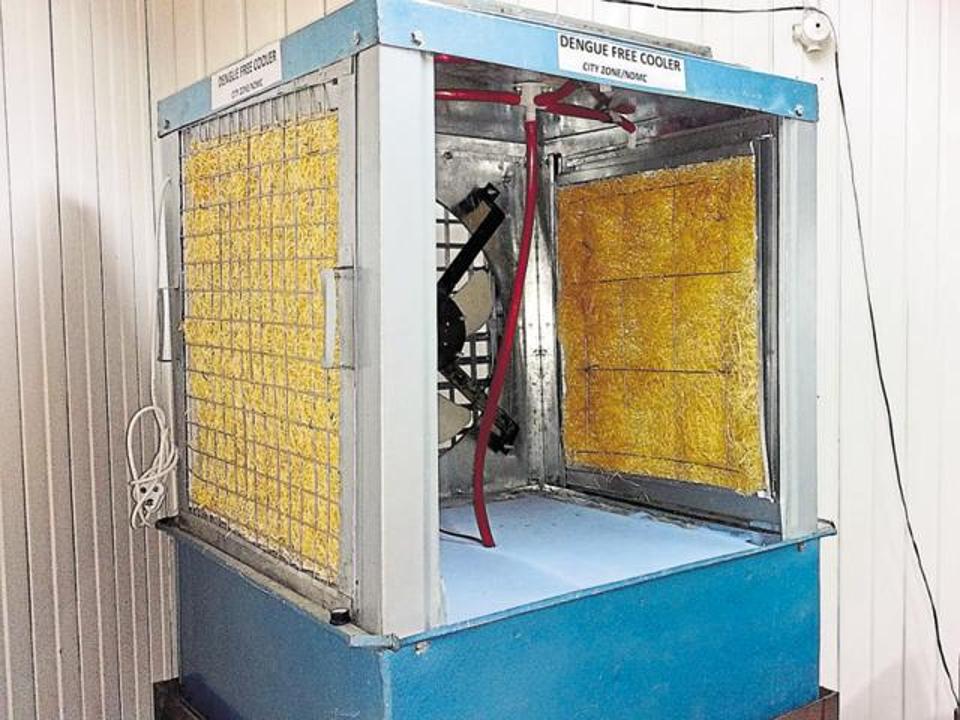
Clean Water Collections ⭐
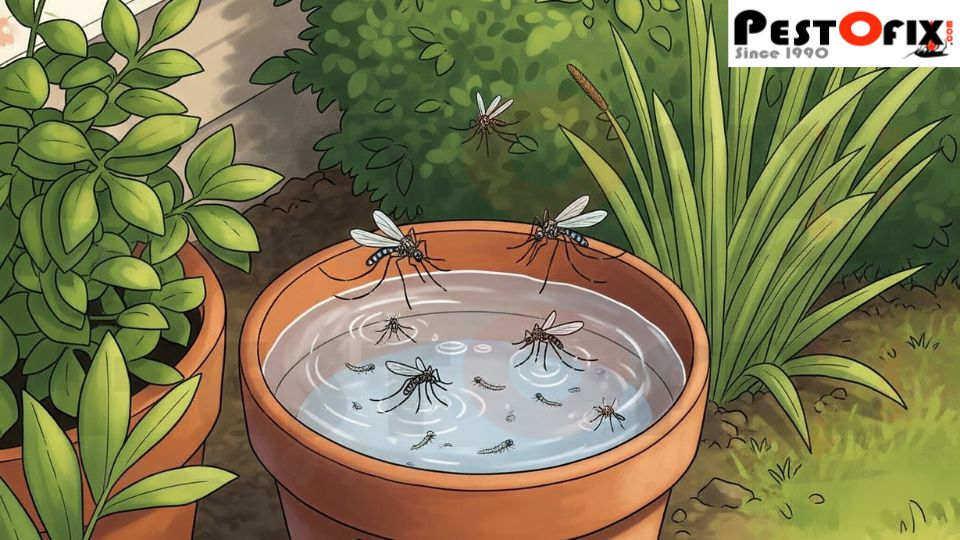
Artificial Containers ⭐
- Common breeding sites:
- Water tanks
- Coolers
- Flower pots
- Discarded tyres ⭐
Domestic / Peridomestic Breeding ⭐
- Occurs:
- Inside houses (domestic)
- Around houses (peridomestic)
- Makes dengue:
High-Yield Points ⭐
- Dengue virus → Flavivirus (RNA)
- 4 serotypes → DEN 1–4
- Secondary infection → severe dengue risk
- Aedes aegypti → main vector
- Breeding → clean water + containers (VERY IMPORTANT)
- Dengue → urban vector-borne disease
Dengue – Transmission & Pathogenesis ⭐
Transmission ⭐
Mode of Transmission
- Bite of infected Aedes mosquito ⭐
Key Features ⭐
- Day-biting mosquito ⭐
- Peak biting → early morning, late afternoon
Transmission Cycle ⭐
- Human → mosquito → human cycle ⭐
- Process:
- Mosquito bites infected human → acquires virus
- Virus multiplies inside mosquito
- Mosquito becomes infective
- Transmits virus to another human
Pathogenesis ⭐
1. Viraemia ⭐
- Virus enters bloodstream → viraemia develops
- Responsible for:
- Early symptoms (fever, malaise)
2. Increased Vascular Permeability ⭐
- Key mechanism in severe dengue
- Leads to:
- Plasma leakage
- Hemoconcentration
- Fluid accumulation
3. Thrombocytopenia ⭐
- Decreased platelet count
- Causes:
- Bone marrow suppression
- Increased destruction
- Leads to:
4. Shock in Severe Disease ⭐
- Due to:
- Plasma leakage
- Reduced circulating volume
- Results in:
- Dengue shock syndrome (DSS) ⭐
High-Yield Points ⭐
- Transmission → Aedes (day-biting mosquito)
- Cycle → human–mosquito–human
- Vascular permeability → key in severe dengue
- Thrombocytopenia → causes bleeding
- Shock → due to plasma leakage (DSS)
Dengue – Clinical Features ⭐
Classical Dengue Fever ⭐
1. Fever ⭐
- Sudden onset
- High-grade fever
- Often biphasic (saddle-back fever)
2. Headache
3. Retro-orbital Pain ⭐
- Pain behind eyes
- Increases on eye movement
4. Myalgia ⭐
- Severe muscle pain
- Called “break-bone fever”
5. Arthralgia
6. Rash ⭐
- Maculopapular rash
- Appears during illness
7. Bleeding Manifestations ⭐
- Due to thrombocytopenia
- Features:
- Petechiae
- Gum bleeding
- Epistaxis
- Positive tourniquet test
Severe Dengue ⭐
1. Plasma Leakage ⭐
- Increased vascular permeability
- Leads to:
- Hemoconcentration
- Pleural effusion / ascites
2. Shock ⭐
- Due to plasma leakage
- Leads to:
- Dengue Shock Syndrome (DSS)
3. Severe Bleeding ⭐
- Gastrointestinal bleeding
- Massive hemorrhage
4. Organ Involvement ⭐
- Liver → hepatitis
- Brain → encephalopathy
- Kidney → renal failure
High-Yield Points ⭐
- Classic triad → fever + myalgia + rash
- Retro-orbital pain → characteristic feature
- Dengue = “break-bone fever”
- Severe dengue → plasma leakage + shock + bleeding
- Thrombocytopenia → key cause of bleeding
Dengue – Diagnosis ⭐
1. NS1 Antigen ⭐
- Detects dengue viral antigen
- Positive in early phase (day 1–5 of illness) ⭐
- Advantages:
- Early diagnosis
- Useful before antibody formation
2. Serology ⭐
- Detects antibodies:
- IgM
- Appears after 5 days
- Indicates recent infection
- IgG
- Appears later
- Indicates past infection or secondary infection
3. CBC Changes ⭐
- Leukopenia (low WBC count)
- Progressive fall in platelets
Platelet Count ⭐
- Thrombocytopenia (<1 lakh/mm³) ⭐
- Severity correlates with:
Hematocrit ⭐
- Increased hematocrit ⭐
- Important indicator of:
- Disease severity
- Fluid loss
WHO Classification of Dengue ⭐
1. Dengue (Without Warning Signs)
- Fever + 2 of the following:
- Nausea/vomiting
- Rash
- Aches and pains
- Leukopenia
2. Dengue with Warning Signs ⭐
- Presence of any of the following:
- Abdominal pain ⭐
- Persistent vomiting
- Clinical fluid accumulation
- Mucosal bleeding
- Lethargy/restlessness
- Liver enlargement
- Rising hematocrit with falling platelets ⭐
3. Severe Dengue ⭐
- Any of the following:
- Severe plasma leakage → shock (DSS) ⭐
- Severe bleeding
- Severe organ involvement
High-Yield Points ⭐
- NS1 → early diagnosis (day 1–5)
- IgM → after 5 days
- Platelet ↓ + hematocrit ↑ → warning sign ⭐
- Leukopenia → common finding
- Severe dengue → shock + bleeding + organ failure
Dengue – Prevention and Control ⭐
1. Source Reduction ⭐
- Most important strategy
- Elimination of breeding sites:
- Removal of stagnant clean water
- Emptying containers regularly
- Proper disposal of:
- Tyres
- Plastic containers
- Water storage vessels
- Weekly “dry day” concept ⭐
2. Anti-larval Measures ⭐
- Target mosquito larvae
- Methods:
- Chemical:
- Larvicides (e.g., temephos)
- Biological:
- Aim:
- Prevent development of adult mosquitoes
3. Community Participation ⭐
- Essential for dengue control
- Activities:
- Awareness campaigns
- Household-level source reduction
- Community clean-up drives
4. Personal Protection ⭐
- Prevent mosquito bites
- Measures:
- Mosquito repellents
- Protective clothing
- Window screens
- Important because:
5. Outbreak Control ⭐
- Early detection of cases
- Measures:
- Rapid surveillance
- Vector control (fogging, insecticides)
- Public awareness
- Goal:
- Prevent spread of infection
High-Yield Points ⭐
- Dengue control → source reduction is key
- Aedes → container breeder + day-biting
- Anti-larval → prevents adult mosquito formation
- Community participation → most important pillar
- Fogging → used during outbreaks only
Table: Dengue Fever vs Chikungunya ⭐
| Feature |
Dengue |
Chikungunya |
| Agent |
Dengue virus (Flavivirus) |
Chikungunya virus (Alphavirus) |
| Vector |
Aedes mosquito |
Aedes mosquito |
| Fever |
High, acute |
High, acute |
| Joint pain |
Mild/moderate |
Severe, debilitating ⭐ |
| Rash |
Common |
Common |
| Bleeding |
Common (severe dengue) ⭐ |
Rare |
| Shock |
Possible (DSS) ⭐ |
Rare |
| Platelet count |
Markedly decreased ⭐ |
Mild decrease |
| Chronic symptoms |
Rare |
Persistent joint pain ⭐ |
Table: Dengue Warning Signs ⭐
| Warning Sign |
Significance |
| Abdominal pain ⭐ |
Early indicator of severe dengue |
| Persistent vomiting |
Indicates worsening disease |
| Clinical fluid accumulation |
Plasma leakage |
| Mucosal bleeding ⭐ |
Risk of severe hemorrhage |
| Lethargy / restlessness |
CNS involvement |
| Liver enlargement |
Hepatic involvement |
| Rising hematocrit with falling platelets ⭐ |
Most important warning sign |
Table: Dengue vs Malaria ⭐
| Feature |
Dengue |
Malaria |
| Agent |
Virus |
Protozoa (Plasmodium) |
| Vector |
Aedes (day-biting) ⭐ |
Anopheles (night-biting) ⭐ |
| Fever pattern |
Continuous / biphasic |
Periodic (tertian/quartan) ⭐ |
| Chills & rigors |
Less prominent |
Prominent ⭐ |
| Rash |
Common ⭐ |
Rare |
| Splenomegaly |
Rare |
Common ⭐ |
| Platelets |
↓↓↓ (thrombocytopenia) ⭐ |
Mild ↓ |
| Hematocrit |
↑ (plasma leakage) ⭐ |
Normal / ↓ |
Table: Aedes Mosquito Characteristics ⭐
| Feature |
Aedes Mosquito |
| Biting habit |
Day-biting ⭐ |
| Appearance |
Black with white stripes (tiger mosquito) |
| Breeding place |
Clean stagnant water ⭐ |
| Habitat |
Domestic / peridomestic |
| Diseases transmitted |
Dengue, Chikungunya |
Table: Household Breeding Sites of Aedes ⭐
| Site |
Examples |
| Water storage containers |
Buckets, tanks, drums |
| Domestic items |
Flower pots, coolers |
| Discarded items ⭐ |
Tyres, plastic containers |
| Household surroundings |
Roof gutters, construction sites |
| Miscellaneous |
Coconut shells, broken bottles |
High-Yield Points ⭐
- Dengue vs chikungunya → joint pain severe in chikungunya
- Warning sign → hematocrit ↑ + platelets ↓ (VERY IMPORTANT)
- Dengue vs malaria → vector + fever pattern difference
- Aedes → day-biting + container breeder ⭐
- Household breeding → key for prevention (source reduction)
Flowchart: Dengue Transmission Cycle ⭐
Infected human (viraemia)
        ↓
Aedes mosquito bites human
        ↓
Virus enters mosquito
        ↓
Multiplication inside mosquito
        ↓
Mosquito becomes infective
        ↓
Infective mosquito bites healthy human
        ↓
Virus enters bloodstream
        ↓
Viraemia develops
        ↓
Further transmission (human–mosquito–human cycle)
Flowchart: Pathogenesis of Severe Dengue ⭐
Dengue virus infection
        ↓
Viraemia
        ↓
Immune response activation
        ↓
Cytokine release
        ↓
Increased vascular permeability ⭐
        ↓
Plasma leakage
        ↓
Hemoconcentration (↑ hematocrit)
        ↓
Thrombocytopenia
        ↓
Bleeding manifestations
        ↓
Severe plasma loss
        ↓
Shock (Dengue Shock Syndrome) ⭐
        ↓
Organ dysfunction (liver, brain, kidney)
Figure: Aedes Breeding Containers ⭐


Flowchart: Approach to Suspected Dengue ⭐
Patient with acute febrile illness
        ↓
Assess symptoms
(Fever + headache + myalgia + rash)
        ↓
Check for warning signs ⭐
(abdominal pain, vomiting, bleeding, lethargy)
        ↓
No warning signs → Dengue (uncomplicated)
        ↓
Outpatient management + hydration + monitoring
        ↓
----------------------------------------------
        ↓
Warning signs present ⭐
        ↓
Admit patient
        ↓
Monitor:
Platelet count + hematocrit
        ↓
Fluid management
        ↓
----------------------------------------------
        ↓
Severe dengue (shock / bleeding / organ failure)
        ↓
Emergency management (IV fluids, ICU care)
Ready to study offline?
Get the full PDF version of this chapter.
 Continue with Google