Topic Overview
AVIAN INFLUENZA (BIRD FLU) ⭐
1. Definition ⭐
- Zoonotic viral infection caused by:
- Avian influenza viruses infecting humans ⭐
- Severe respiratory disease with high mortality
2. Agent ⭐
- Influenza A virus ⭐
- Common subtypes:
- Reservoir:
- Birds (poultry, wild birds) ⭐
3. Transmission ⭐
- Animal → human transmission ⭐
- Contact with:
- Infected birds
- Poultry secretions / droppings
- Rare:
- Human-to-human transmission
4. Clinical Features ⭐
- High fever
- Cough
- Severe respiratory distress
- Rapidly progressive pneumonia ⭐
- High fatality rate
5. Prevention ⭐
- Avoid contact with infected poultry
- Proper cooking of poultry products
- Use of PPE for handlers ⭐
- Culling of infected birds
- Biosecurity measures
6. Vaccine Relevance ⭐
- No widely used routine human vaccine
- Vaccines under development / limited use
- Poultry vaccination used in some settings
7. Public Health Significance ⭐
- High mortality disease ⭐
- Pandemic potential (if mutation occurs)
- Requires:
- Surveillance
- Rapid response
- Example of zoonotic emerging infection ⭐
EMERGING VIRAL RESPIRATORY INFECTIONS ⭐
1. Definition ⭐
- Newly appearing or rapidly increasing respiratory viral infections ⭐
- Includes:
- COVID-19
- Avian influenza
- SARS, MERS
2. Agent ⭐
- Various RNA viruses:
- Coronaviruses (SARS-CoV, MERS-CoV, SARS-CoV-2) ⭐
- Influenza viruses (novel strains)
3. Transmission ⭐
- Zoonotic origin → animal to human ⭐
- Human-to-human:
- Droplet
- Airborne (in many cases)
- Rapid spread in globalized world
4. Clinical Features ⭐
- Fever
- Cough
- Breathlessness
- Severe pneumonia
- ARDS in severe cases ⭐
5. Prevention ⭐
- Surveillance and early detection ⭐
- Infection control:
- Isolation and quarantine
- Travel restrictions (during outbreaks)
6. Vaccine Relevance ⭐
- Vaccines may:
- Be unavailable initially
- Developed rapidly during outbreaks ⭐
- Example:
7. Public Health Significance ⭐
- Pandemic potential ⭐
- High morbidity and mortality
- Economic and social disruption
- Need for:
- Global surveillance systems ⭐
- Preparedness plans
VACCINE UPDATES & SURVEILLANCE RELEVANCE ⭐
1. Vaccine Updates ⭐
- Influenza vaccines:
- Updated annually based on circulating strains ⭐
- COVID-19 vaccines:
- Booster doses for variants
- Emerging infections:
- Rapid vaccine development platforms (mRNA, vector-based)
2. Surveillance Importance ⭐
- Early detection of outbreaks ⭐
- Monitoring:
- Strain variation (influenza)
- New variants (COVID-19)
- Systems:
- Sentinel surveillance ⭐
- Laboratory surveillance
3. Key Surveillance Goals ⭐
- Identify outbreaks early
- Track spread patterns
- Guide vaccination strategies ⭐
- Inform public health response
High-Yield Exam Points 🔥
- Avian influenza → H5N1, zoonotic ⭐
- Transmission → bird to human ⭐
- Emerging infections → SARS, MERS, COVID ⭐
- Vaccine update → influenza yearly change ⭐
- Surveillance → key to outbreak control ⭐
Table: Emerging Viral Respiratory Diseases ⭐
| Disease |
Agent |
Source / Reservoir |
Transmission |
Key Features |
Public Health Importance |
| COVID-19 |
SARS-CoV-2 |
Humans (initial zoonotic origin) |
Droplet + airborne ⭐ |
Fever, cough, anosmia ⭐ |
Global pandemic, high impact ⭐ |
| SARS |
SARS-CoV |
Bats → civet cats |
Droplet |
Severe pneumonia |
High mortality, outbreak control importance |
| MERS |
MERS-CoV |
Camels |
Droplet + contact |
Severe respiratory disease |
High case fatality ⭐ |
| Avian Influenza |
Influenza A (H5N1, H7N9) |
Birds ⭐ |
Animal → human |
Severe pneumonia |
Pandemic potential ⭐ |
| Swine Flu (H1N1) |
Influenza A (H1N1)pdm09 |
Humans (origin swine) |
Droplet |
ILI, pneumonia |
Pandemic (2009) ⭐ |
Table: Pandemic Preparedness Essentials ⭐
| Component |
Key Elements |
| Surveillance ⭐ |
Early detection, reporting, lab confirmation |
| Preparedness Planning ⭐ |
National pandemic plans, guidelines |
| Healthcare System Readiness |
ICU beds, oxygen, ventilators |
| Workforce Training |
Trained healthcare workers |
| Infection Control ⭐ |
PPE, mask use, hygiene protocols |
| Laboratory Capacity |
RT-PCR, diagnostic facilities |
| Vaccination Strategy ⭐ |
Vaccine development, distribution |
| Risk Communication ⭐ |
Public awareness, misinformation control |
| Intersectoral Coordination |
Government + health + transport sectors |
| Stockpiling ⭐ |
Drugs (oseltamivir), PPE, equipment |
Flowchart: Respiratory Virus Outbreak Response ⭐
Detection of unusual cluster (ILI / SARI cases)
↓
Verification of outbreak ⭐
↓
Case definition formulation
↓
Active surveillance ⭐
-
Case finding
-
Contact tracing
↓
Laboratory confirmation ⭐
↓
Public health measures ⭐
-
Isolation of cases
-
Quarantine of contacts
-
Mask use & hygiene
↓
Clinical management ⭐
↓
Vaccination strategy (if available)
↓
Monitoring & containment ⭐
Figure: Levels of Prevention in Viral Respiratory Outbreaks ⭐
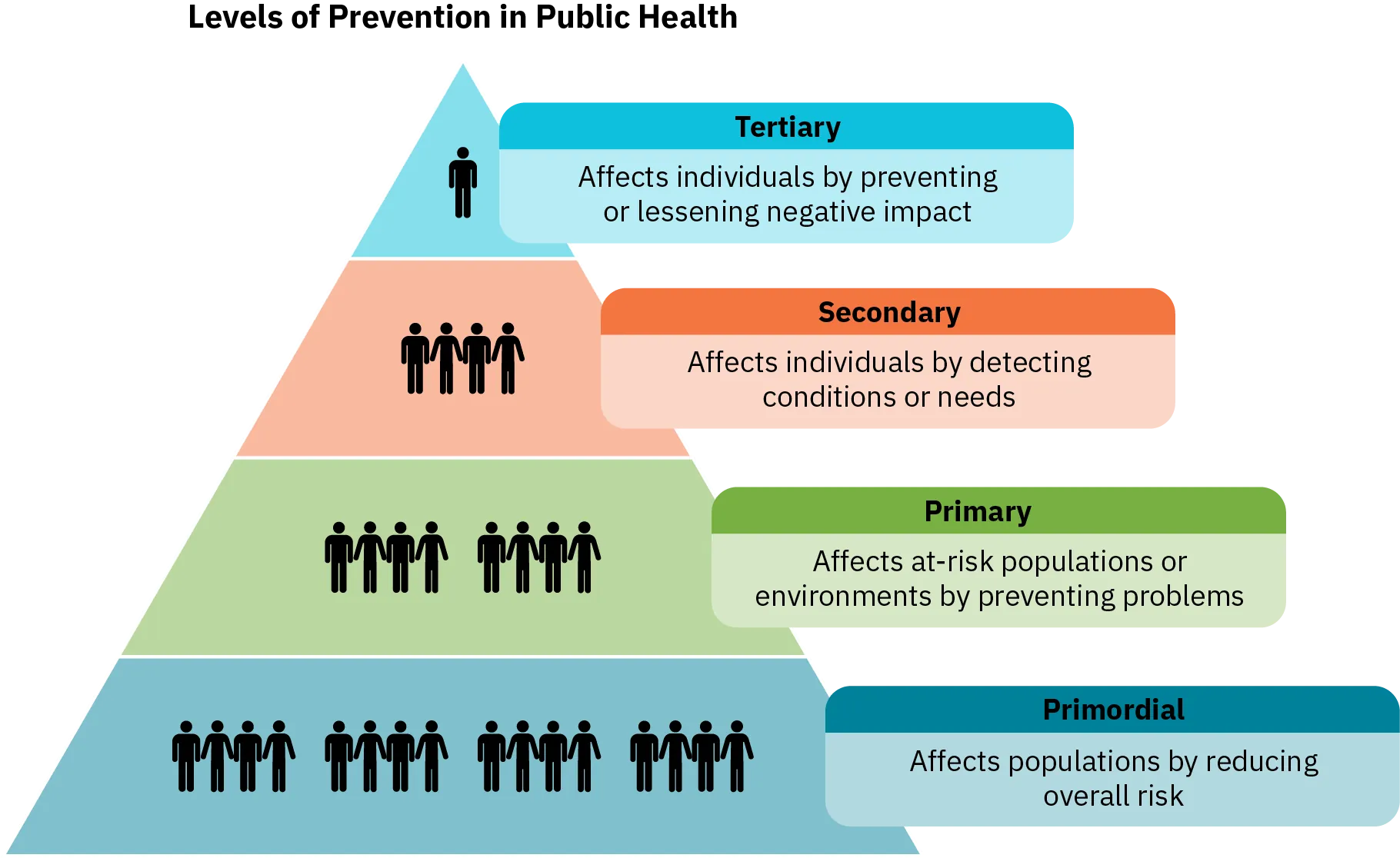


Key Exam Mapping ⭐
Primary Prevention ⭐
-
Vaccination
-
Mask use
-
Hand hygiene
-
Health education
Secondary Prevention ⭐
-
Early diagnosis
-
Testing (RT-PCR)
-
Isolation
Tertiary Prevention ⭐
-
Treatment
-
ICU care
-
Rehabilitation
Ultra High-Yield Recall 🔥
-
Emerging diseases → SARS, MERS, COVID, H1N1 ⭐
-
Pandemic preparedness → surveillance + vaccine + PPE ⭐
-
Outbreak response → detect → confirm → control ⭐
-
Prevention levels → Primary (prevent), Secondary (detect), Tertiary (treat) ⭐
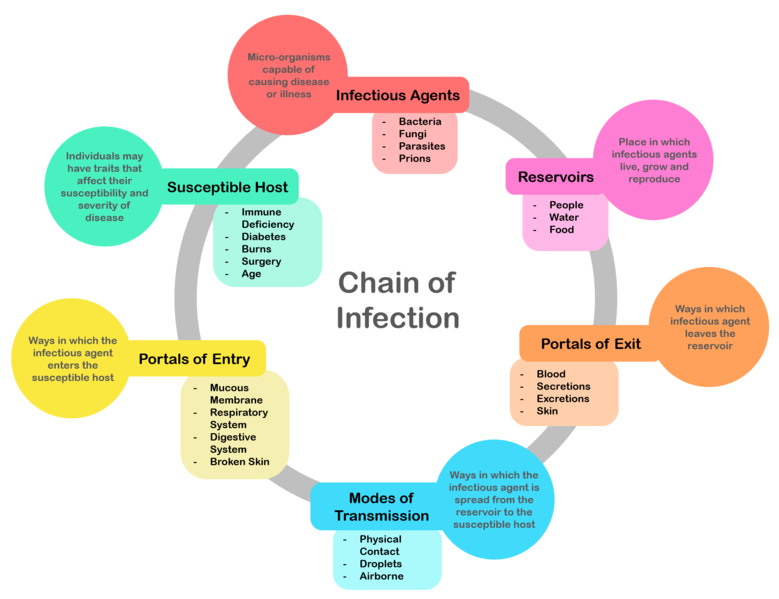
1. Viral Disease Transmission Routes ⭐
Major Routes of Transmission ⭐
Respiratory Route ⭐
-
Droplet transmission
-
Airborne transmission
Feco-oral Route ⭐
-
Contaminated food/water
-
Examples:
Direct Contact ⭐
-
Skin/mucosal contact
-
Examples:
Blood-borne Route ⭐
Vector-borne ⭐
-
Through insects
-
Examples:
Vertical Transmission ⭐
High-Yield Table: Transmission Routes ⭐
| Route |
Examples |
| Respiratory |
Influenza, COVID-19 ⭐ |
| Feco-oral |
Hepatitis A, Rotavirus |
| Contact |
Herpes, HPV |
| Blood-borne |
HIV, Hepatitis B |
| Vector-borne |
Dengue, JE |
| Vertical |
HIV, Rubella ⭐ |
2. Herd Immunity and Vaccination Concept ⭐
Herd Immunity ⭐
Mechanism ⭐
Herd Immunity Threshold ⭐
Flow Concept: Herd Immunity ⭐
Vaccinated population ↑
↓
Susceptible individuals ↓
↓
Transmission chain interrupted ⭐
↓
Disease spread controlled
Vaccination Concept ⭐
Types of Immunity
Key Role ⭐
-
Prevent disease
-
Reduce severity
-
Achieve herd immunity
High-Yield Points 🔥
-
Herd immunity → community protection ⭐
-
Vaccination → main tool for control ⭐
-
Threshold depends on R₀ ⭐
3. Outbreak Response Flow in Viral Diseases ⭐
Flowchart ⭐
Detection of unusual increase in cases
↓
Confirm outbreak (clinical + epidemiological) ⭐
↓
Define case definition
↓
Active surveillance ⭐
-
Case finding
-
Contact tracing
↓
Laboratory confirmation ⭐
↓
Control measures ⭐
↓
Treatment & supportive care
↓
Monitoring & reporting ⭐
4. Isolation and Surveillance Concept ⭐
Isolation ⭐
Types
-
Hospital isolation
-
Home isolation
Surveillance ⭐
Types ⭐
-
Passive surveillance
-
Active surveillance ⭐
-
Sentinel surveillance
Flow Concept: Surveillance ⭐
Data collection
↓
Data analysis
↓
Interpretation ⭐
↓
Action (control measures) ⭐
High-Yield Table: Isolation vs Surveillance ⭐
| Feature |
Isolation |
Surveillance |
| Definition |
Separation of infected cases |
Continuous monitoring of disease |
| Purpose |
Prevent spread |
Early detection & control ⭐ |
| Focus |
Individual |
Population |
| Example |
COVID isolation ward |
Influenza surveillance system |
Ultra High-Yield Recall 🔥
-
Transmission → respiratory most important ⭐
-
Herd immunity → breaks transmission chain ⭐
-
Outbreak response → detect → confirm → control ⭐
-
Isolation → case separation ⭐
-
Surveillance → data → action cycle ⭐
HIGH-YIELD BOX TOPICS ⭐
1. Smallpox Eradication ⭐
-
Declared eradicated in:
-
Last natural case:
-
Strategy:
-
Vaccine:
-
Importance:
2. Smallpox vs Chickenpox ⭐
| Feature |
Smallpox |
Chickenpox (Varicella) |
| Agent |
Variola virus |
Varicella-zoster virus |
| Rash distribution |
Centrifugal (face, limbs) ⭐ |
Centripetal (trunk) ⭐ |
| Lesion stage |
Same stage ⭐ |
Different stages ⭐ |
| Severity |
Severe, high mortality |
Mild |
| Palms/soles |
Involved ⭐ |
Usually spared |
3. Varicella-Zoster Relation ⭐
-
Same virus causes:
-
Latency:
4. Secondary Attack Rate of Chickenpox ⭐
-
Very high (~90%) ⭐
-
Indicates:
5. Koplik Spots in Measles ⭐
-
Pathognomonic sign ⭐
-
Appearance:
-
Timing:
6. 2-dose Measles-containing Vaccine Strategy ⭐
-
1st dose:
-
2nd dose:
-
Purpose:
-
Given as:
7. Teratogenic Importance of Rubella ⭐
-
Infection during:
-
Leads to:
-
Prevention:
8. Congenital Rubella Syndrome (CRS) ⭐
Classic Triad ⭐
-
Cataract
-
Congenital heart disease
-
Deafness ⭐
Other Features
-
Microcephaly
-
Mental retardation
-
Growth retardation
9. Mumps Complications ⭐
-
Aseptic meningitis (~15%) ⭐
-
Orchitis (post-pubertal males)
-
Pancreatitis
-
Deafness (irreversible) ⭐
10. MMR Vaccine ⭐
-
Components:
-
Type:
-
Schedule:
-
Benefit:
11. Influenza Pandemics ⭐
-
Caused by:
-
Mechanism:
-
Examples:
12. Antigenic Drift vs Shift ⭐
-
Drift ⭐
-
Minor mutation
-
Causes epidemics
-
Shift ⭐
-
Major change
-
Causes pandemics
-
Only in Influenza A ⭐
13. H1N1 pdm09 ⭐
-
Pandemic declared:
-
Virus:
-
Key feature:
-
Drug:
14. Avian Influenza ⭐
-
Agent:
-
Transmission:
-
Feature:
-
Importance:
Ultra High-Yield Rapid Recall 🔥
-
Smallpox → eradicated 1980 ⭐
-
Chickenpox → 90% secondary attack rate ⭐
-
Measles → Koplik spots ⭐
-
Rubella → CRS + teratogenic ⭐
-
Mumps → meningitis + orchitis ⭐
-
Influenza → shift = pandemic ⭐
-
H1N1 → 2009 pandemic ⭐
-
Avian flu → H5N1 zoonotic ⭐
Ready to study offline?
Get the full PDF version of this chapter.
 Continue with Google